Craft
18 articles
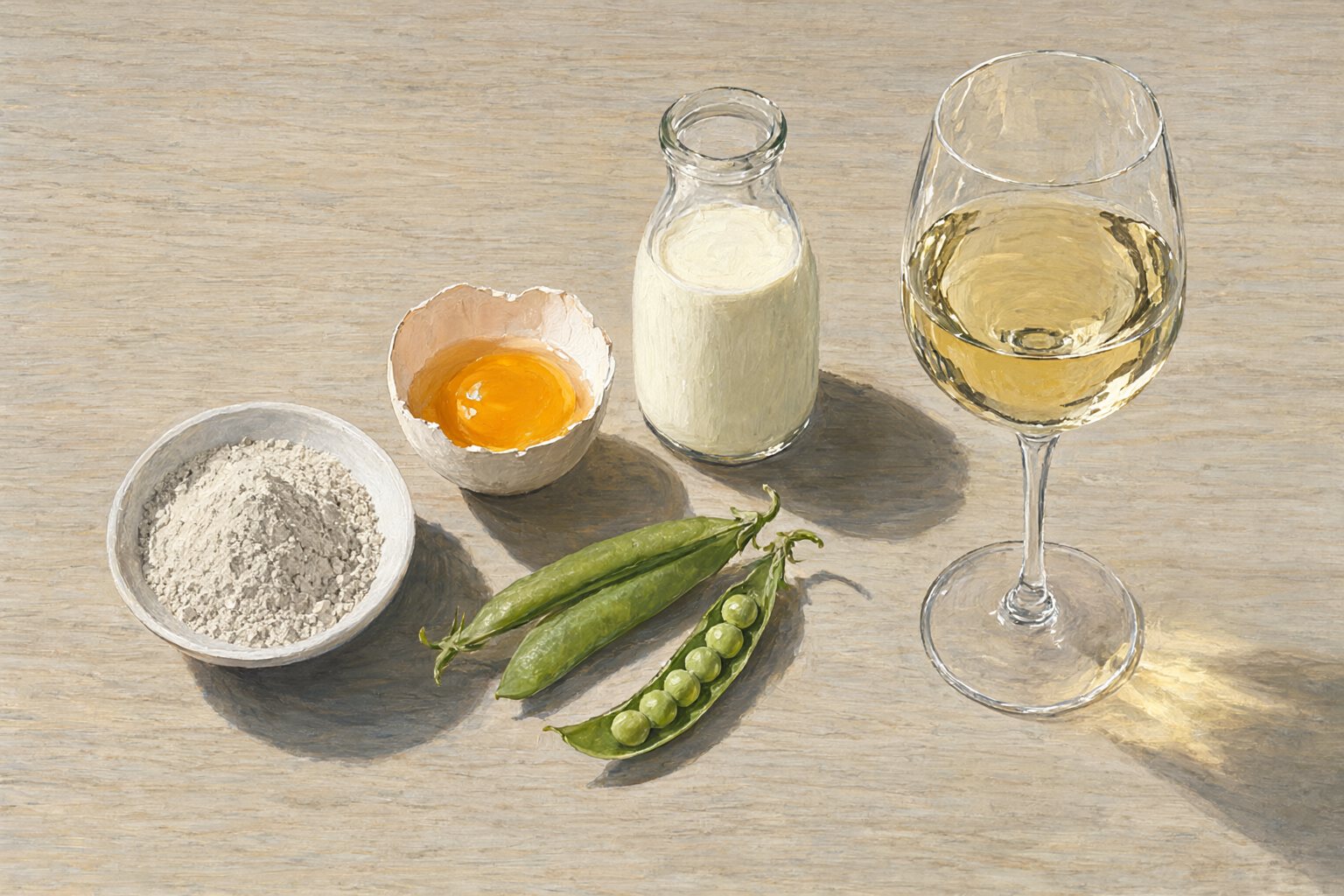
Why wine is not always vegan: eggs, milk and isinglass
Fining uses egg albumen, casein, gelatine or isinglass, which barely remain in the wine. Why wine is not always vegan and what the label does and does not say.
The women who really made wine
From the Widow Clicquot to Lily Bollinger, from Le Donne del Vino to the first woman Master of Wine: documented stories of those who changed wine uninvited.
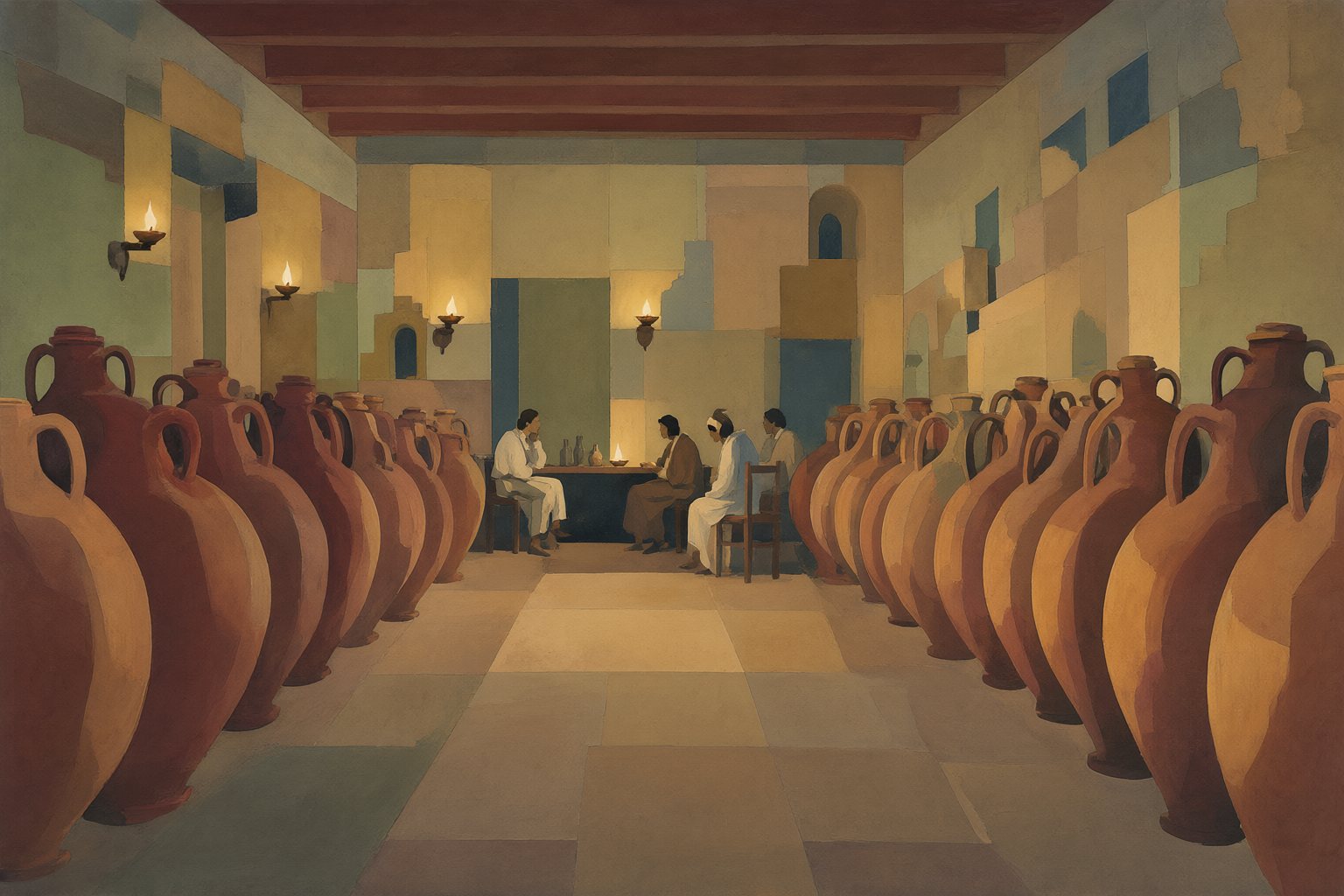
Drinking in Ancient Rome: Water, Honey, Pitch and Falernian
How wine was drunk in ancient Rome, from Falernian and watered wine to mulsum and resin, amphorae and dolia, with Pliny, Cato, Columella and Pompeii.
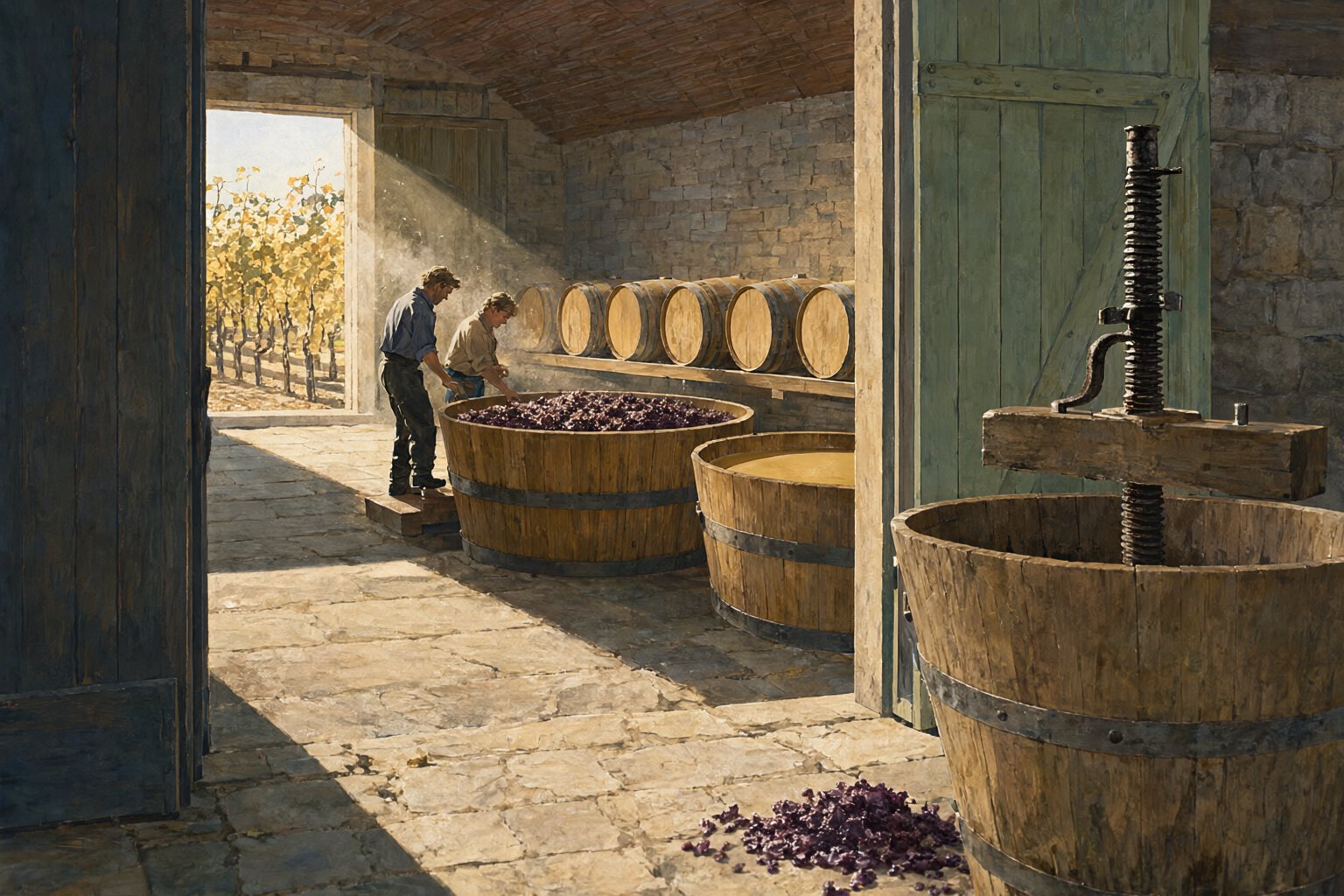
How wine is made, red and white, from vineyard to bottle
Harvest, crushing, fermentation, maceration and ageing: how wine is made, what changes between red, white and rosé, and what the law actually says.
How many calories in a glass of wine? Doing the maths
Where wine’s calories come from, how much alcohol and sugar weigh in, a table calculated by style, and what the label has had to say since December 2023.
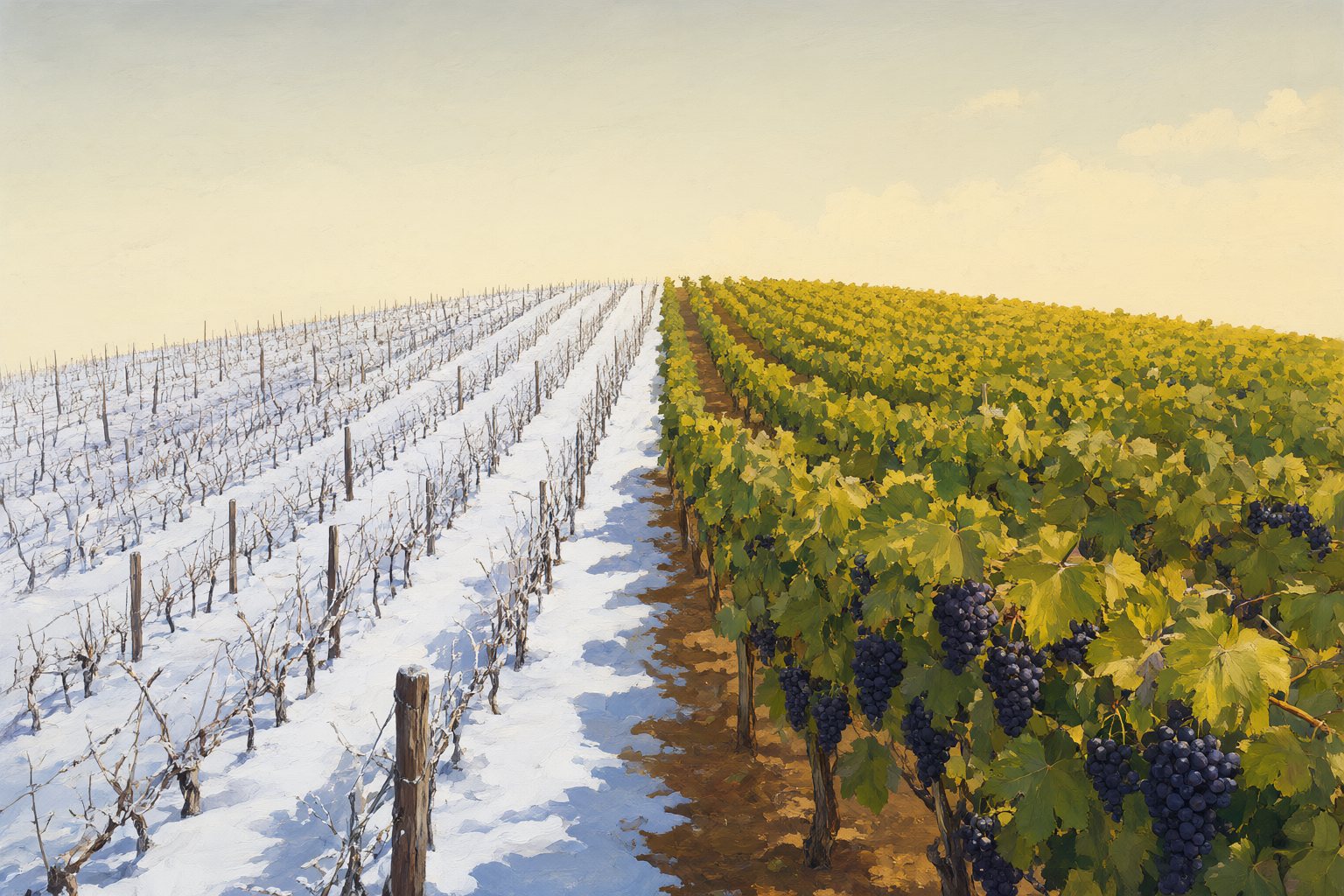
Wine in a Warming World: Earlier Harvests, Higher Vineyards
Earlier harvests, vineyards at 1,000 metres, English sparkling wine and PIWI grapes. How a changing climate is redrawing the map and style of wine.
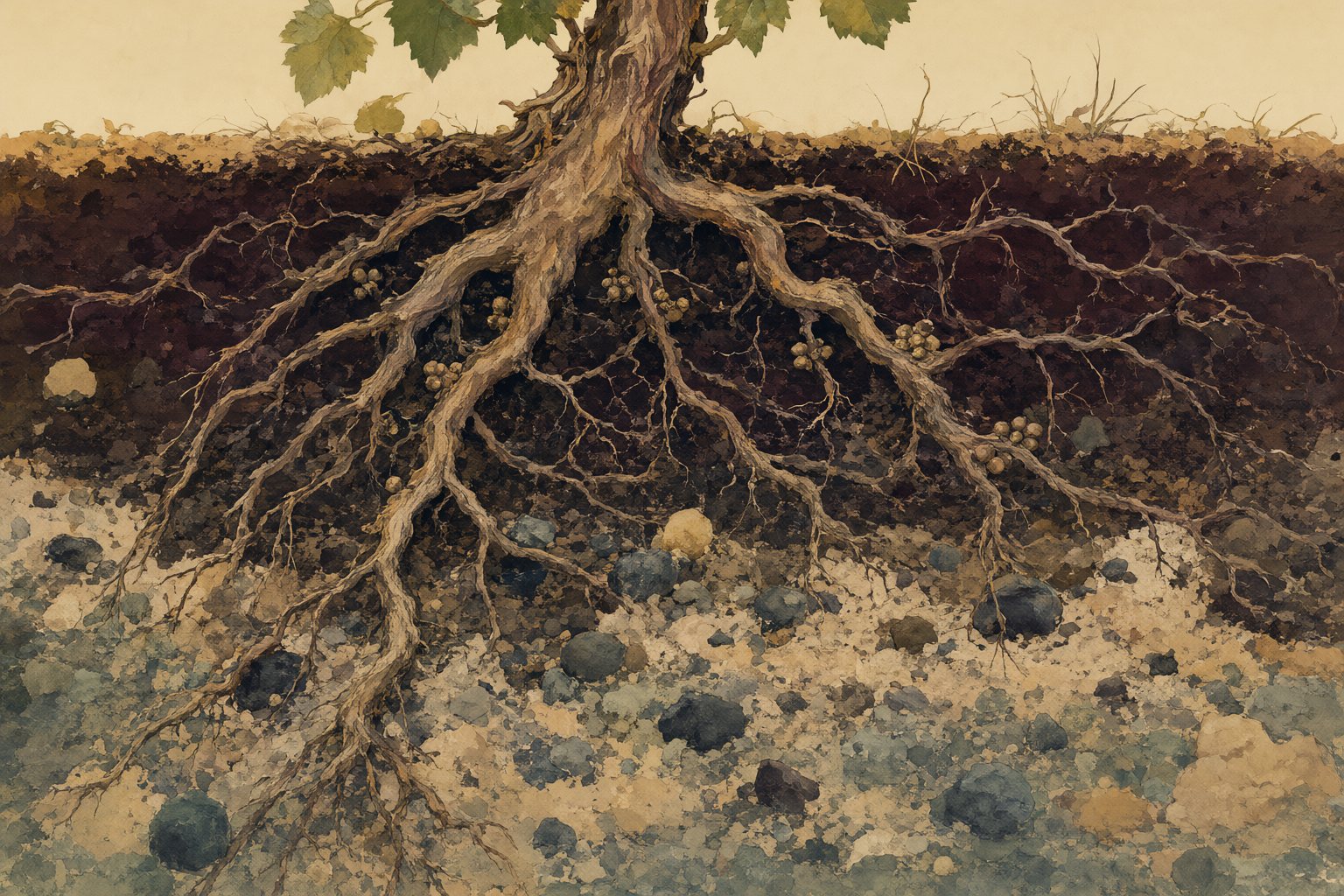
Phylloxera, the louse that redrew the map of wine
From America to France, then to Italy: how an insect a millimetre long destroyed Europe’s vineyards and why almost every vine today has American roots.
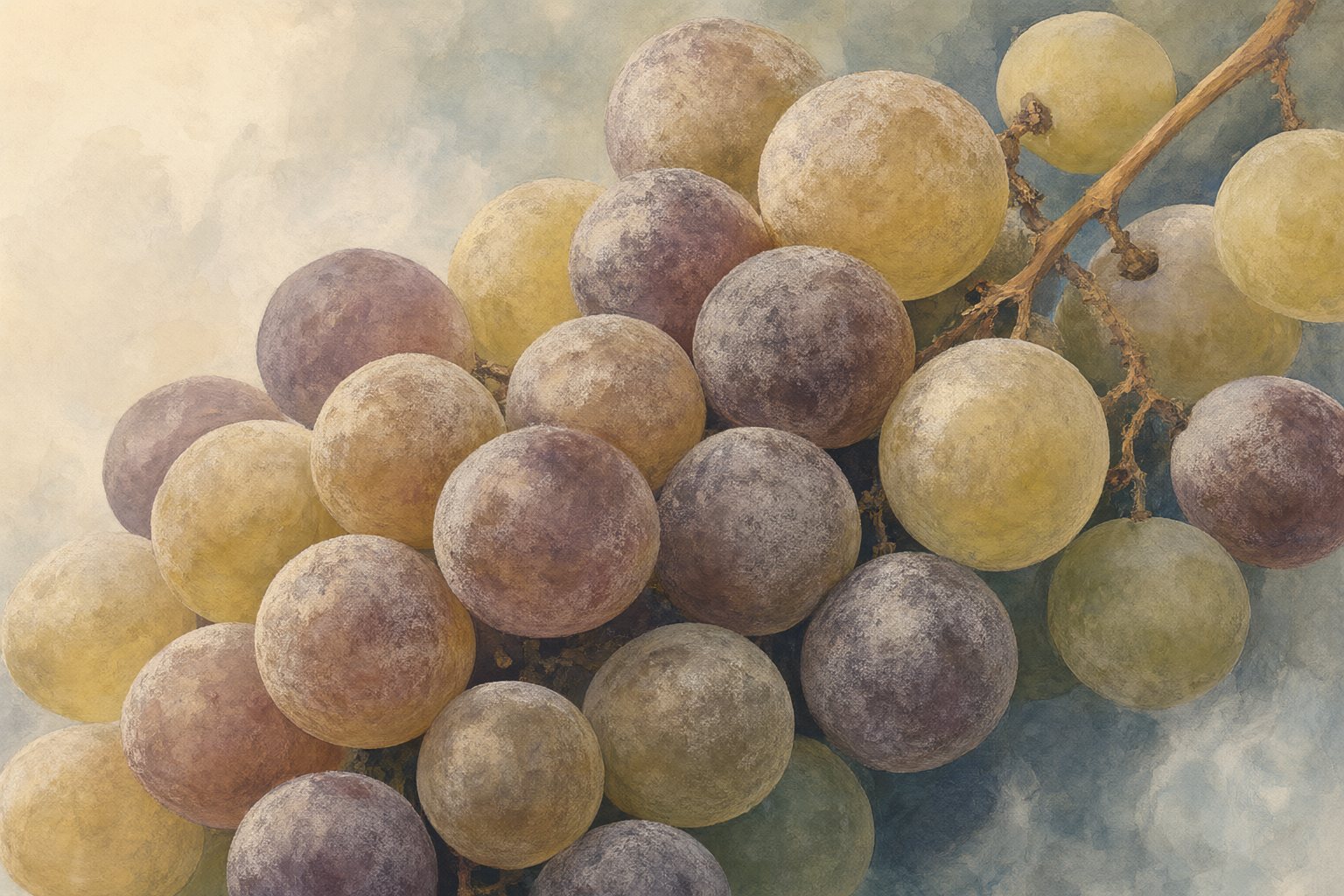
Noble rot, the fungus that turns grapes to gold
How Botrytis cinerea, every grower's enemy, makes Sauternes, Tokaj and Germany's great sweet wines, and why it needs morning fog and afternoon sun.
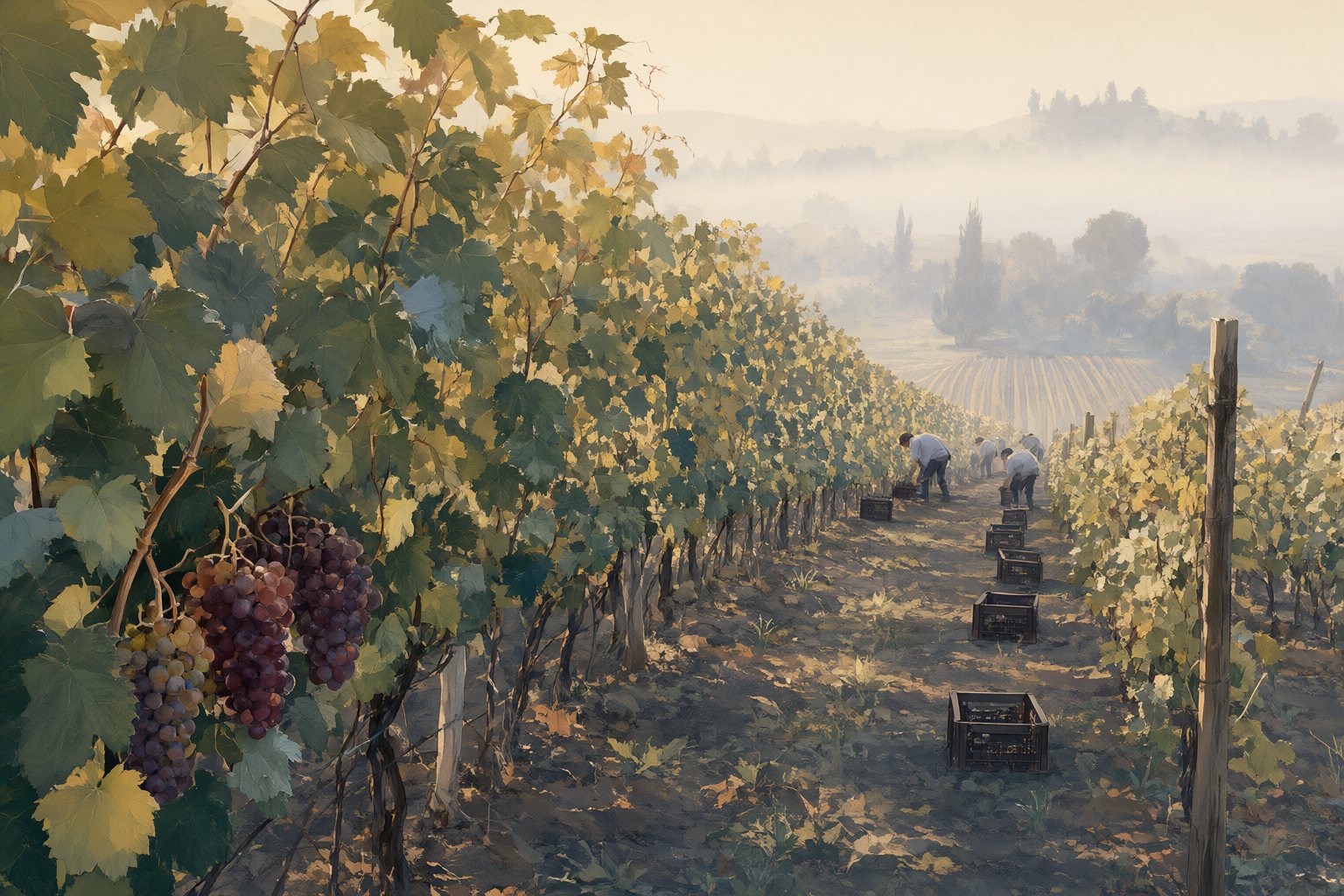
Harvest day, who decides it and how they know
Sugar, acidity, tannin ripeness and berry tasting, and how growers pick the harvest date, by hand or machine, in an age of earlier vintages and night picking.
Metodo Classico or Charmat: what really changes in the glass
Second fermentation in bottle or in tank, months on the lees, bubbles and aromas: Franciacorta, Trento DOC and Prosecco, without the snobbery.
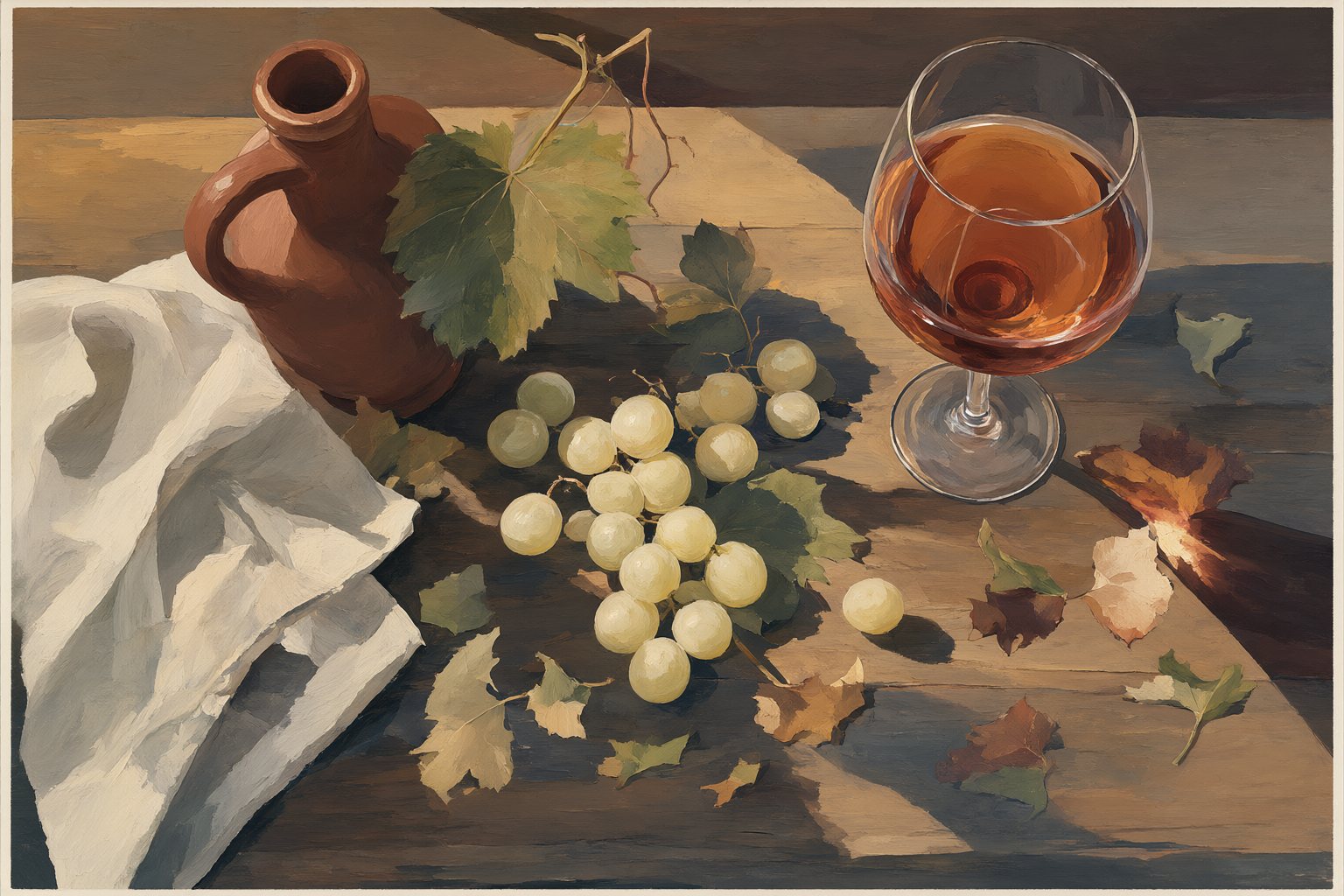
Orange wines: the white that behaves like a red (and divides the table)
What orange wines are, why they are not the same as natural wine, from Georgian amphorae to Oslavia, and how to pair them with food without fear.
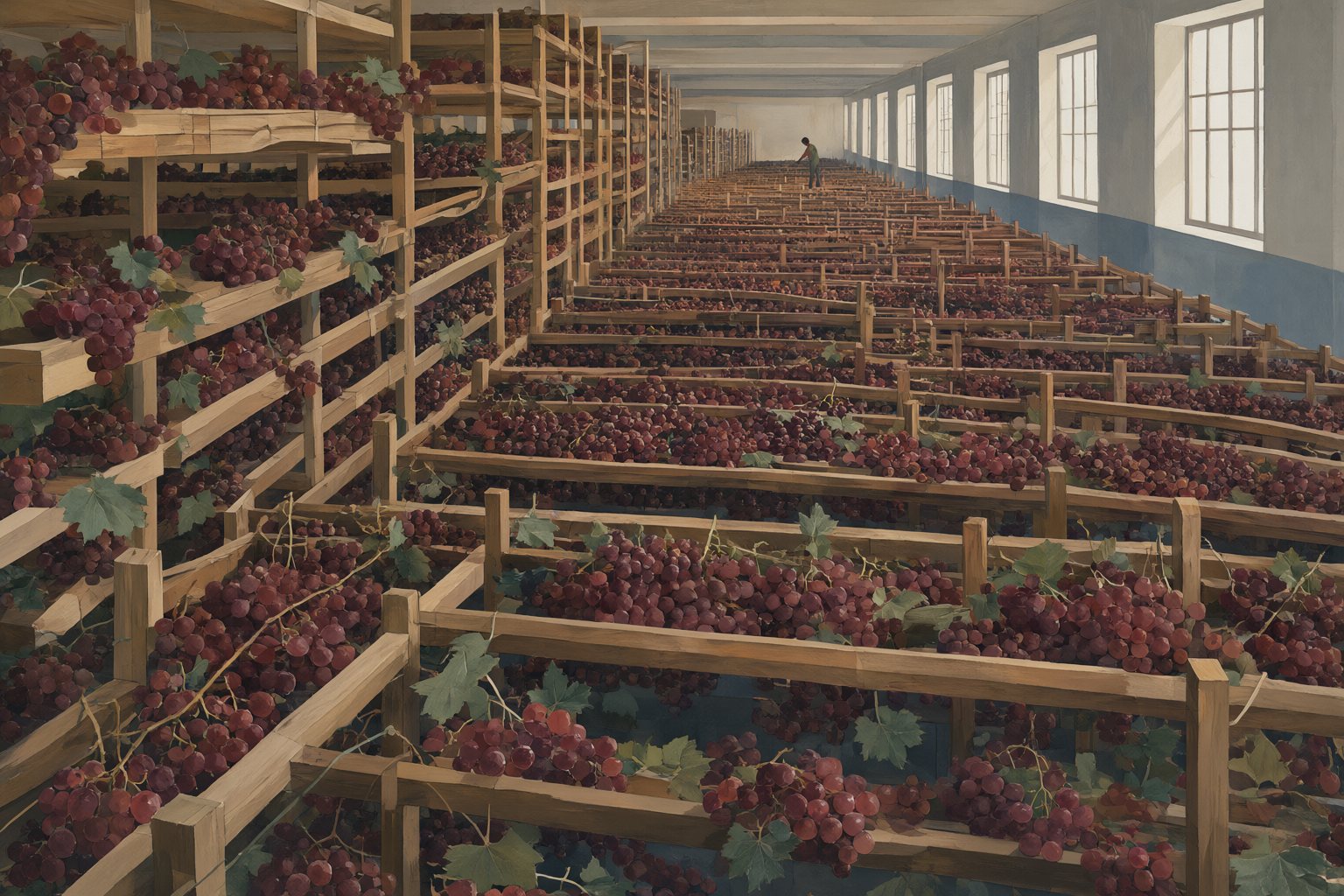
Amarone, the wine born of waiting: appassimento, Recioto and Ripasso
How drying grapes in Valpolicella’s fruttai creates Amarone, what links it to Recioto and Ripasso, and why its style is up for debate today.
Organic, biodynamic, natural wine: three words, three different worlds
Organic is a law, biodynamic a private trademark, natural a promise with no definition. What really lies behind the three labels you see on wine today.
“Contains sulphites”: the two most misunderstood words on a wine label
What sulphites in wine are, why winemakers use them, the EU limits for reds and whites, and what we actually know about the wine headache.
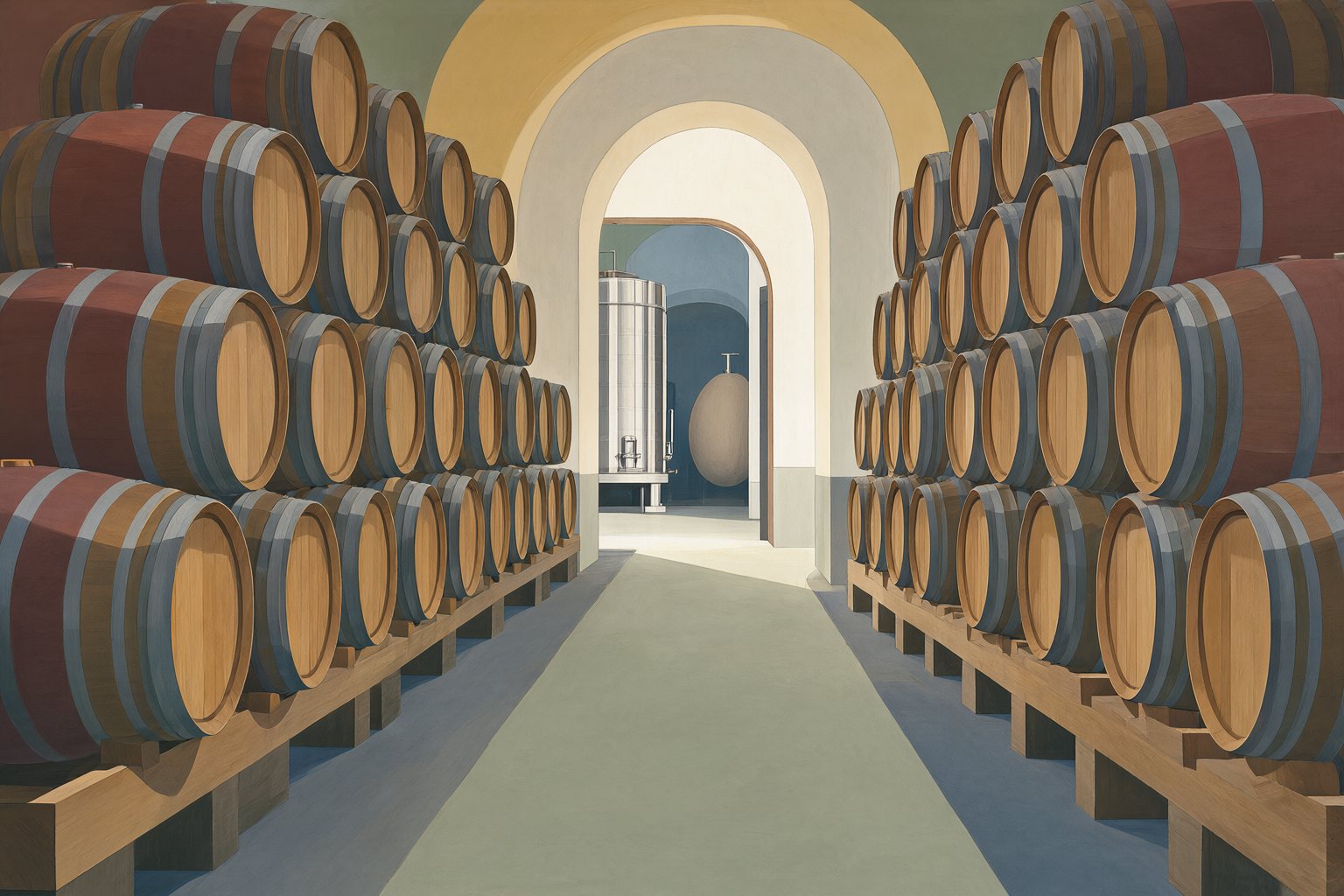
Barrique, large cask, concrete or steel: the home where wine grows up
The 225-litre barrique, the large cask, concrete and steel: how the vessel shapes the wine in your glass, from the Barolo wars to the return of concrete.
Corked wine: cork, screwcap and the molecule that steals wine’s aroma
Natural cork, technical cork, synthetic, screwcap and glass: what TCA really is, how common it is, and how to spot a faulty bottle in a restaurant.
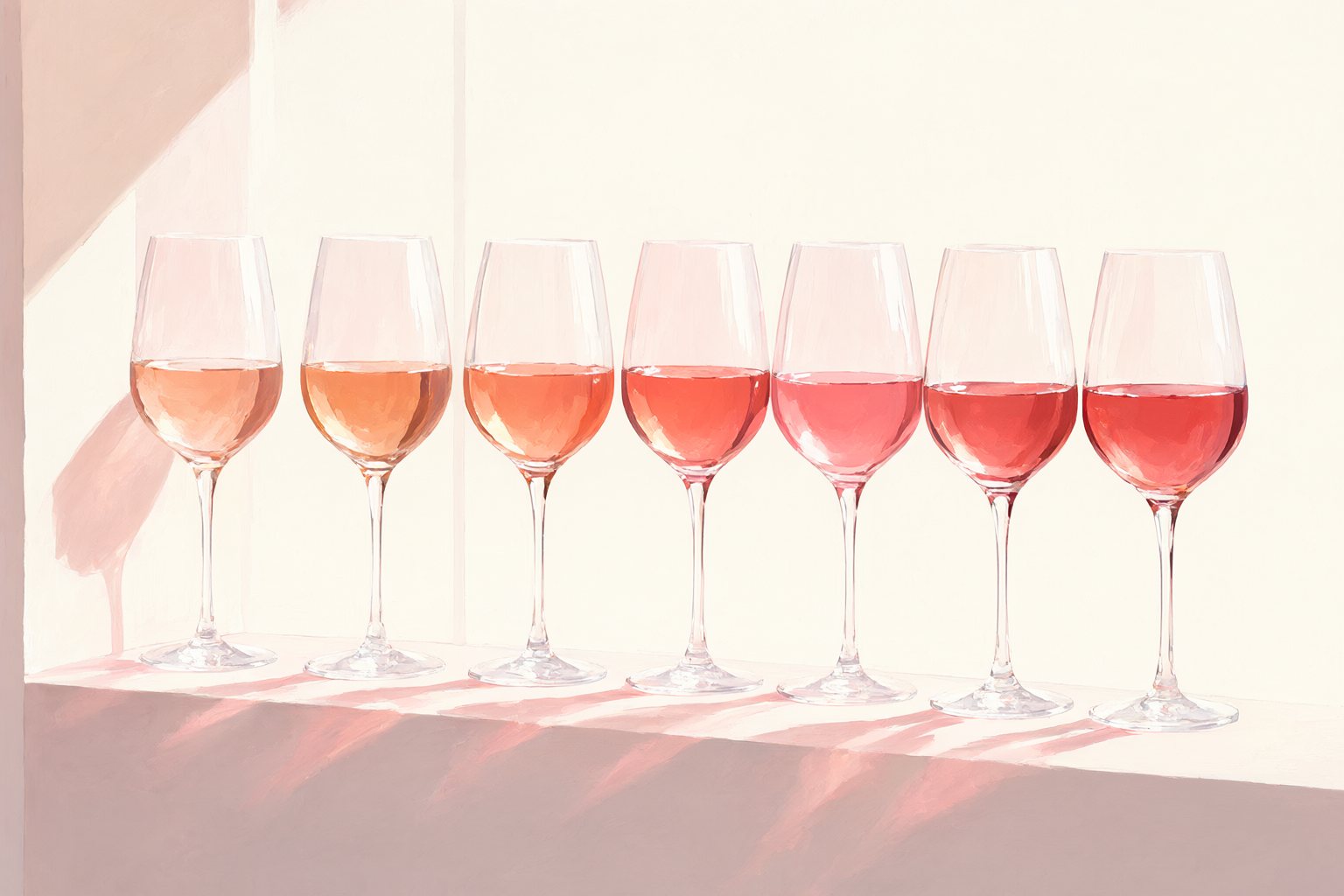
Rosé is not watered-down red: how Italian rosato really gets its colour
Short maceration, saignée, direct pressing and the EU ban on blending white and red: how rosé is made, from Chiaretto to Etna.
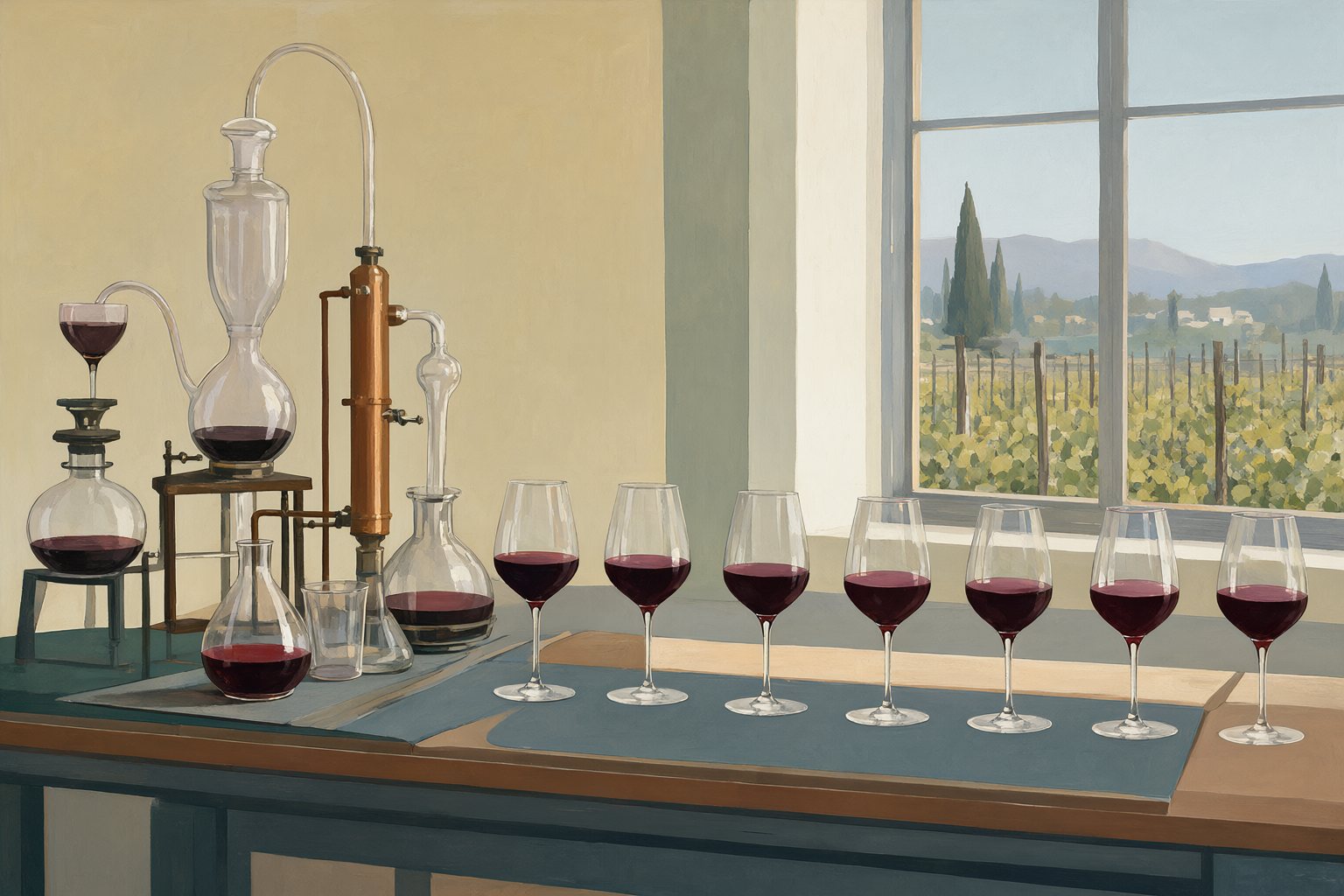
Dealcoholised wine: how the alcohol is removed and what the law says
Vacuum distillation, reverse osmosis, spinning cone: how dealcoholised wine is made and what EU and Italian rules provide for, excise duty included.