Lessini Durello, the sparkling wine born of basalt and acidity
Durella grapes, volcanic soils and two appellations: how to tell Lessini Durello (Martinotti) from Monti Lessini (traditional method), the Veneto's sharpest bubbles.
The name says it all: durello, “hard”. Hard is the berry, with a thick skin that withstands mould and the cold of the hills; hard, for anyone drinking it young, is the impact of an acidity that spares no one. In an Italy that loves soft, conciliatory bubbles, Durello is the sparkling wine that does not ask permission. And precisely for that reason, in recent years, some people have started to take it very seriously indeed.
A grape born to sparkle
Durella is a native grape of the volcanic area between Vicenza and Verona, the Monti Lessini. Its defining trait is a pronounced acidity, far higher than that of most Italian whites. In a still wine that is a problem: in the glass it stays angular, almost rough. In a sparkling wine it is a blessing, because acidity is the skeleton on which everything else is built: it carries long ageing on the lees, balances the sugar of the dosage and keeps the wine alive for years.
Little wonder, then, that the area’s producers have ended up betting almost everything on bubbles. Durella, in essence, is a variety that found the right trade after centuries of awkwardness.
Black soils, high vineyards
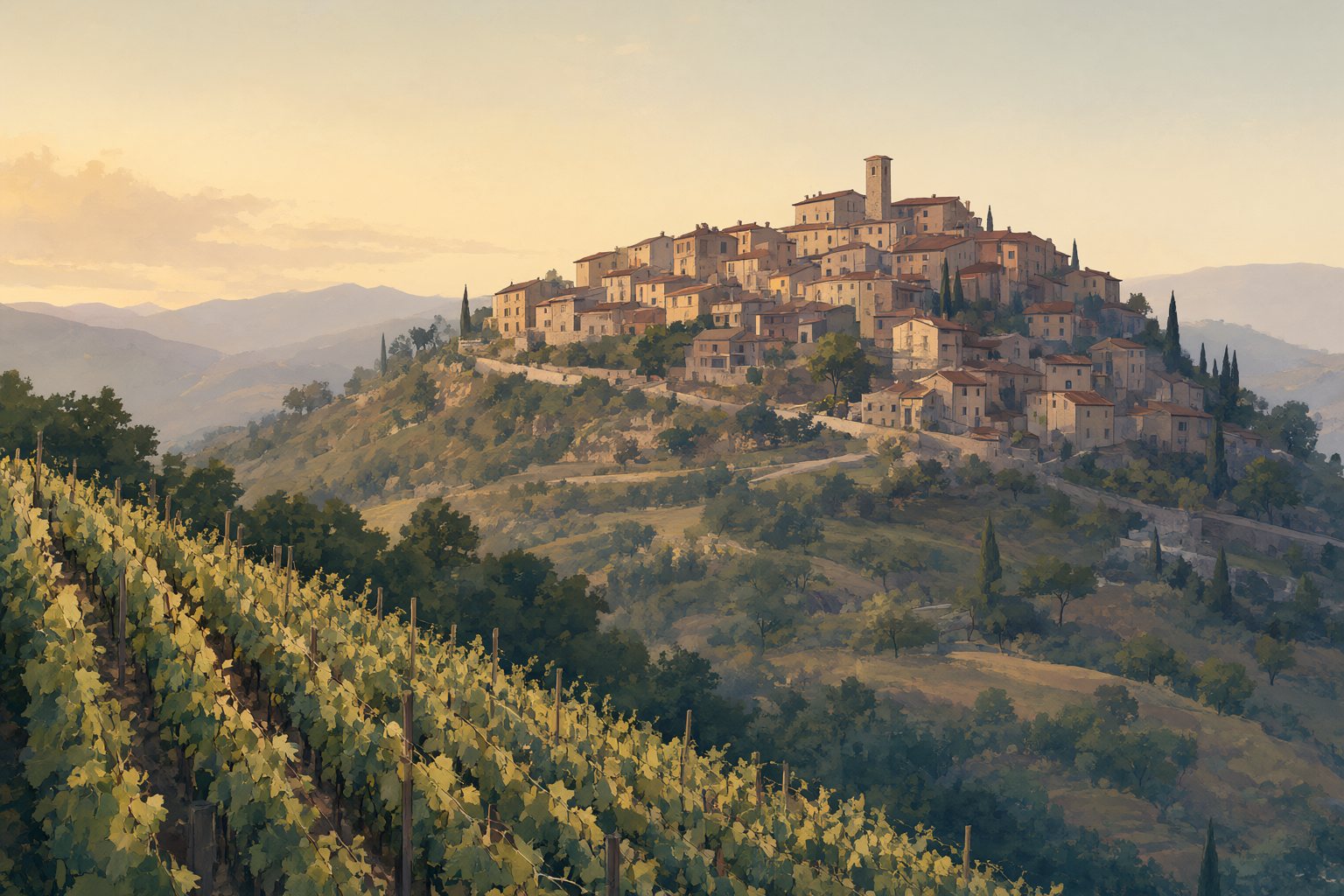
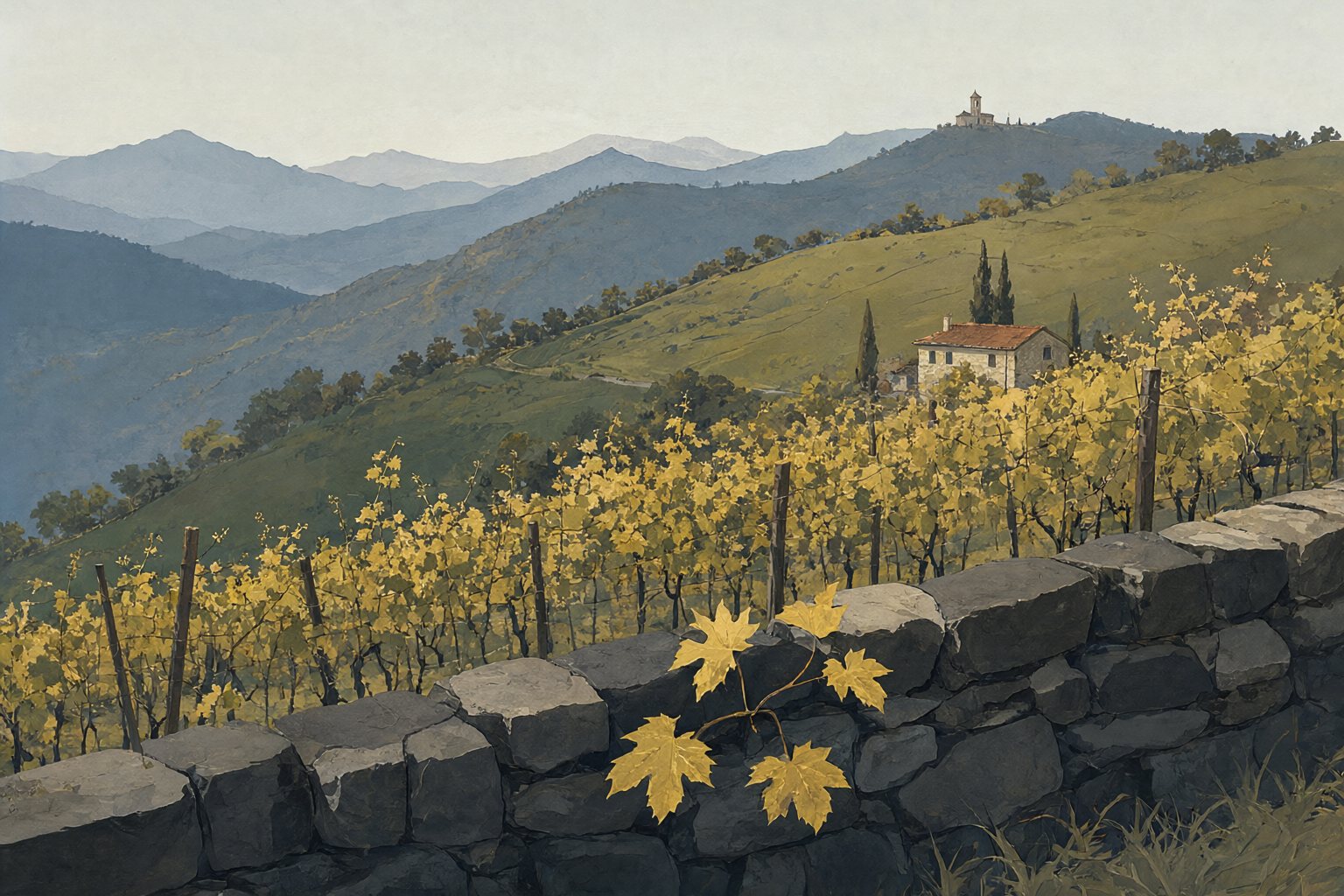
The second ingredient is the rock. The Lessini rest on a volcanic substrate, with dark basalts and tuffs surfacing between the rows and lending the wines a savoury, almost wet-stone note. The vines grow on hills and slopes, often at moderate altitudes but high enough to guarantee sharp swings between day and night, and so a slow ripening that preserves acidity.
On acreage, figures differ by source and year: a recent account in the financial press speaks of roughly 600 hectares of Durella under vine, while summaries of the appellation rules give lower numbers for the individual denominations. The picture is of a small zone, not a giant.
Two appellations, two techniques
Here is the part that confuses everyone coming to it for the first time. Durella sparkling wines are now divided into two appellations, and the name on the label tells you the method:
- Lessini Durello DOC is the Martinotti-Charmat version, with the second fermentation in tank (autoclave): fresher, fruitier, meant to be drunk young.
- Monti Lessini DOC is the traditional-method version, refermented in bottle: more complex, with bread crust and toasty notes, and with time on the lees that, according to the summaries consulted, starts at 18 months and rises to 36 for the Riserva.
In both cases Durella must make up at least 85% of the blend; the rest can come from varieties such as Chardonnay, Garganega, Pinot Bianco or Pinot Nero. The separation of the names, according to Il Sole 24 Ore, came after a lengthy revision of the rulebook lasting about ten years. A detail always worth checking on the label and in the current rules: they have been tweaked recently, and some particulars, such as the rules on Riserva, may have changed.
Small numbers, rapid growth
Durello is not a mass phenomenon, and thank goodness. Press estimates speak of more than a million bottles a year, with traditional method at around 400,000 and the rest Martinotti. The most interesting part is the direction of travel: the traditional-method share, which in 2019 weighed in at just 6% of the local market, is reported to have reached 35% in 2024. As for price bands, traditional method is quoted at around 15 euros on average at the cellar door; on the shelf and in restaurants, inevitably, higher. These are indicative figures, to be taken as an order of magnitude.
It remains a production sold largely in its home territory, especially through restaurants, and so it is less known than it deserves to be.
How to drink it (and what with)
Durella demands food. Its natural place is at the table, with rich, savoury dishes: the Veneto’s cured meats, cheeses, fried food, salt cod, but also raw seafood and anything with an oily side that needs cutting through. The acidity acts as a scalpel, the bubble as a sponge. As an aperitif on its own, young Martinotti works; the traditional method wants a little attention and a proper glass, not a narrow flute.
My verdict
Durello will never become Prosecco, and it would be a pity if it tried. Its strength lies in being different: angular, mineral, volcanic, with a character that sugar cannot tame. If Italy’s sparkling scene wants a credible alternative to the usual softness, the answer is there, among black rocks and moonlit vineyards. The problem, if anything, is explaining it well: two names, two methods, a rulebook on the move. Until producers explain the difference more simply, much of the merit will remain hidden. But those who discover it, as a rule, come back.
❦