International Sherry Week 2026: seven days to stop snubbing Jerez
International Sherry Week returns from 2 to 8 November: what Sherry is, how to read its styles and what to pair with it, Italian dishes included.
Sherry has an image problem that no other great wine in the world shares. For half the public it is Auntie’s sickly little glass; for the other half it is something for carpeted English pubs. Both halves are wrong, and International Sherry Week exists precisely to prove it. From 2 to 8 November Jerez and more than thirty countries will open bottles, lecterns and bar counters for an entire week devoted to Europe’s most misunderstood wine. It is the right moment to make amends.
One week, thousands of glasses
The initiative was born in 2014 under the umbrella of the Consejo Regulador, the body that protects the Jerez-Xérès-Sherry and Manzanilla-Sanlúcar de Barrameda appellations. The 2026 edition will be the thirteenth. The formula is simple and clever: not a trade show with stands, but a widespread network of events that bars, restaurants, wine shops and enthusiasts register free of charge on the official website, where they appear on a searchable map. According to the organisers, in 2025 there were some four thousand events in 28 countries, and since the first edition the total has passed thirty thousand.
The novelty worth keeping an eye on is the “Sherry Rutas”: city trails linking more than ten venues in the same city, to be followed glass by glass. Alongside these there will be online tastings, cookery classes and themed dinners. On social media, the tag to follow is #SherryWeek. In Italy, participation will depend, as every year, on how many venues sign up: it is worth checking the map shortly before the week.
The triangle, the chalk and the veil
Sherry comes from a precise corner of Andalusia, in the province of Cádiz. Its historic heart is the so-called Sherry triangle, between Jerez de la Frontera, El Puerto de Santa María and Sanlúcar de Barrameda. The production zone is wider and includes nine municipalities in all, among them Chipiona, Rota, Trebujena and Lebrija, for just over seven thousand hectares of vineyard. The Consejo Regulador, founded in 1935 under the Wine Statute of 1933, was the first to be created in Spain. Hardly a recent fad.
The emblematic soil is albariza, a dazzlingly white, chalky earth that in summer holds on to the moisture of the winter rains and gives it back to the roots. The principal grape is Palomino, white and neutral almost by vocation: it brings no overbearing aromas, and for precisely that reason lets the method speak. Alongside it are Pedro Ximénez and Moscatel, destined above all for the sweet wines.
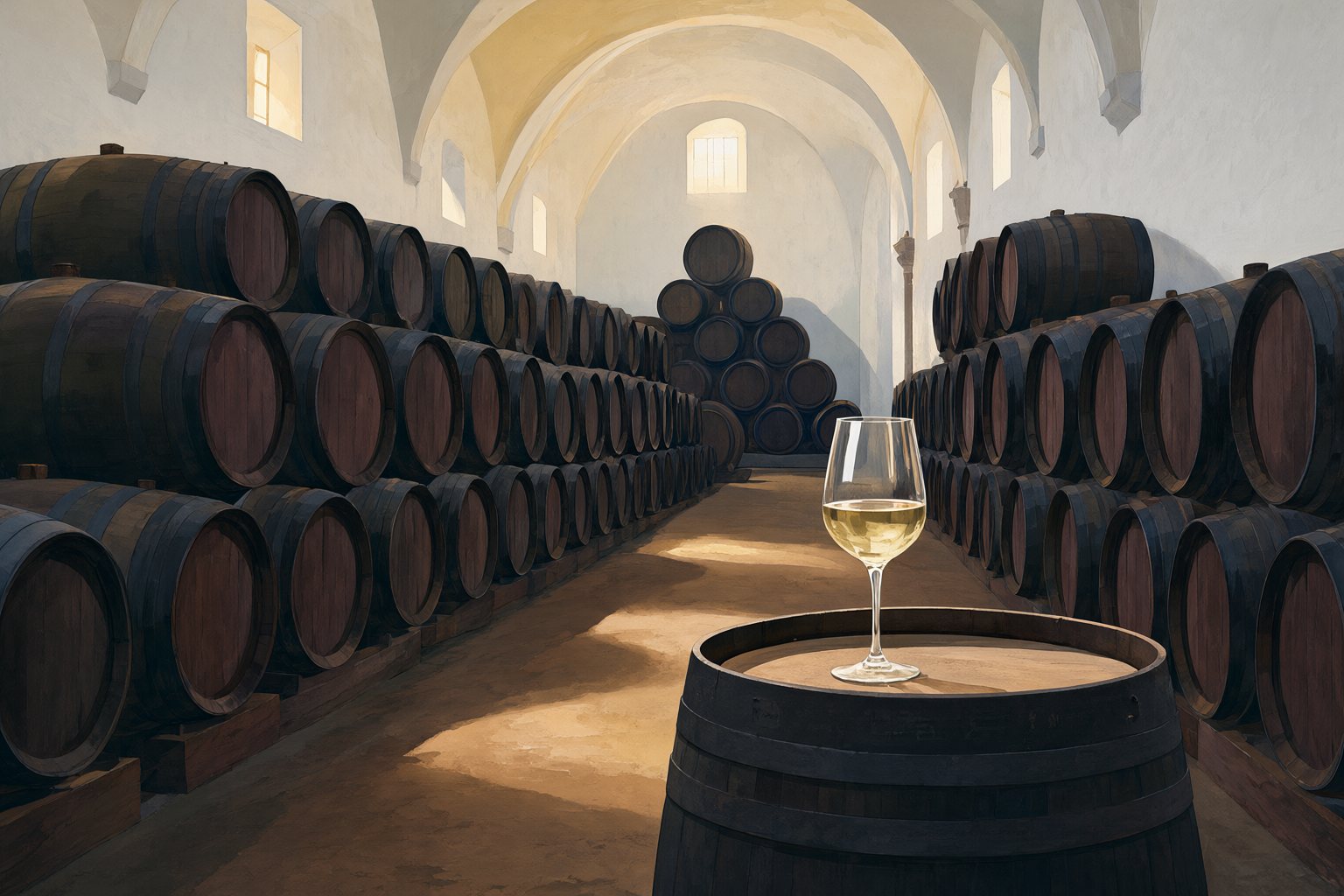
Two words explain almost everything. The first is flor: a veil of yeasts that forms spontaneously on the surface of the wine in casks not filled to the brim, protects it from oxygen and transforms it, bestowing those notes of bread, almond and sea salt that disconcert at first taste. The second is solera: a system of stacked casks in which the oldest wine is drawn from the bottom row and topped up with wine from the row above, and so on. The result is a wine without a vintage, in which the old educates the young. A very slow ritual that requires at least two years of ageing before sale.
The rules, what is more, have moved. Since 2021 the regulations allow Fino and Manzanilla to be made without fortification with alcohol, have permitted ageing throughout the production zone and not only in the triangle, and have readmitted six old local white varieties. For an appellation many consider immovable, that is no small thing.
Five styles, five characters
Fino is the purest child of flor: pale, dry, taut, with that saline bite that makes you hungry. Manzanilla is its seaside cousin: same family, but it can only be born and aged in Sanlúcar de Barrameda, where the humidity of the Guadalquivir estuary keeps the veil thicker and the wine even finer and more iodine-laced.
Amontillado is a story in two acts: it begins as a Fino, then the veil dies away (or is killed off by adding alcohol) and the wine continues in contact with oxygen. It emerges amber, dry, with dried fruit, tobacco and a lingering salty streak. Oloroso skips the first act: it is fortified early, flor does not take hold and the wine ages by oxidation alone, becoming dark and broad, with walnuts and leather, but, be warned, it remains dry. This is the most widespread misunderstanding: a dark colour does not mean sweetness.
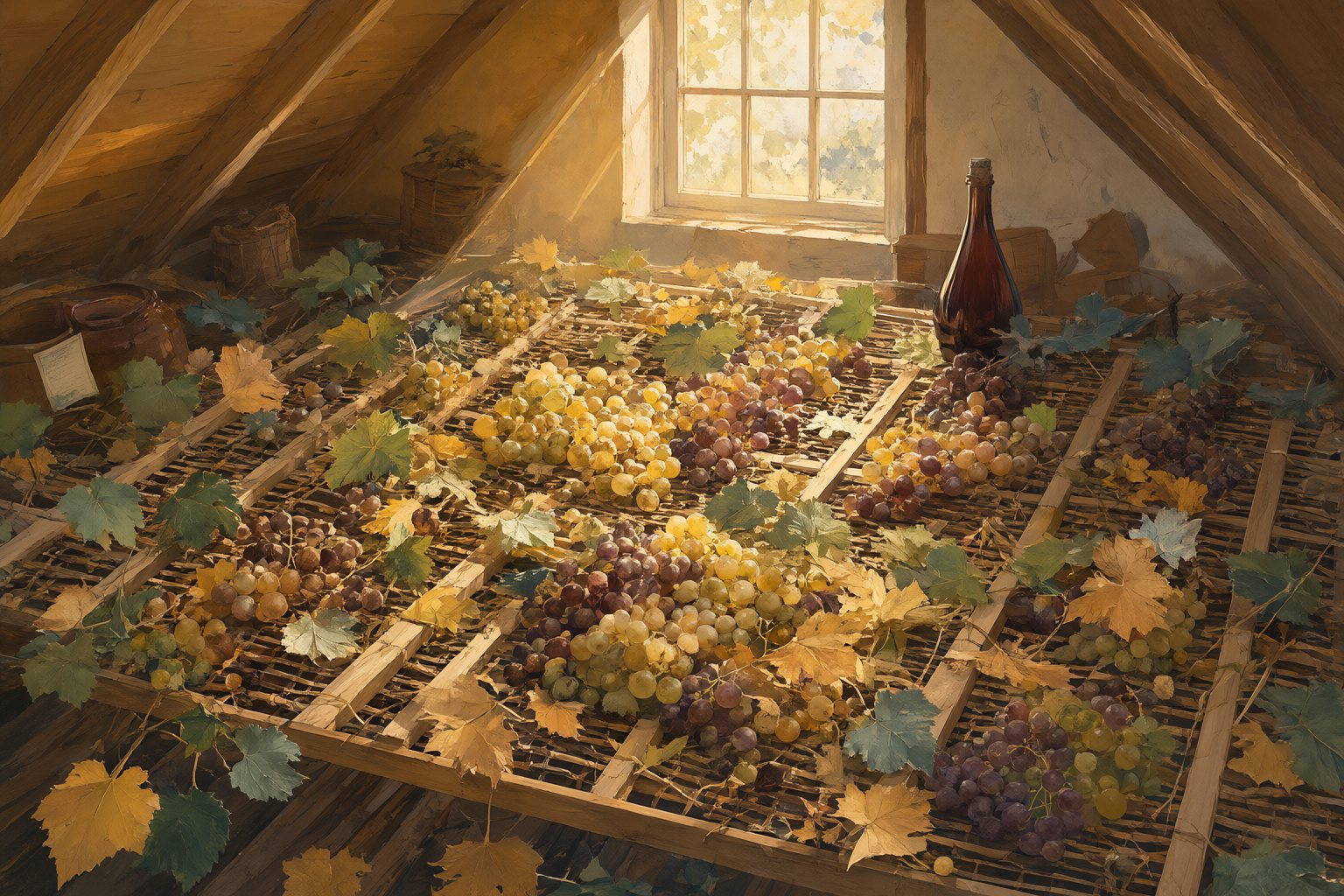
The truly sweet one is Pedro Ximénez, made from grapes left to dry in the sun: black as coffee, dense, with figs, raisins and dates. There are also intermediate styles and sweetened wines, such as Palo Cortado and the Creams, but for a first week of exploration these five are more than enough.
At the table, Italian-style too
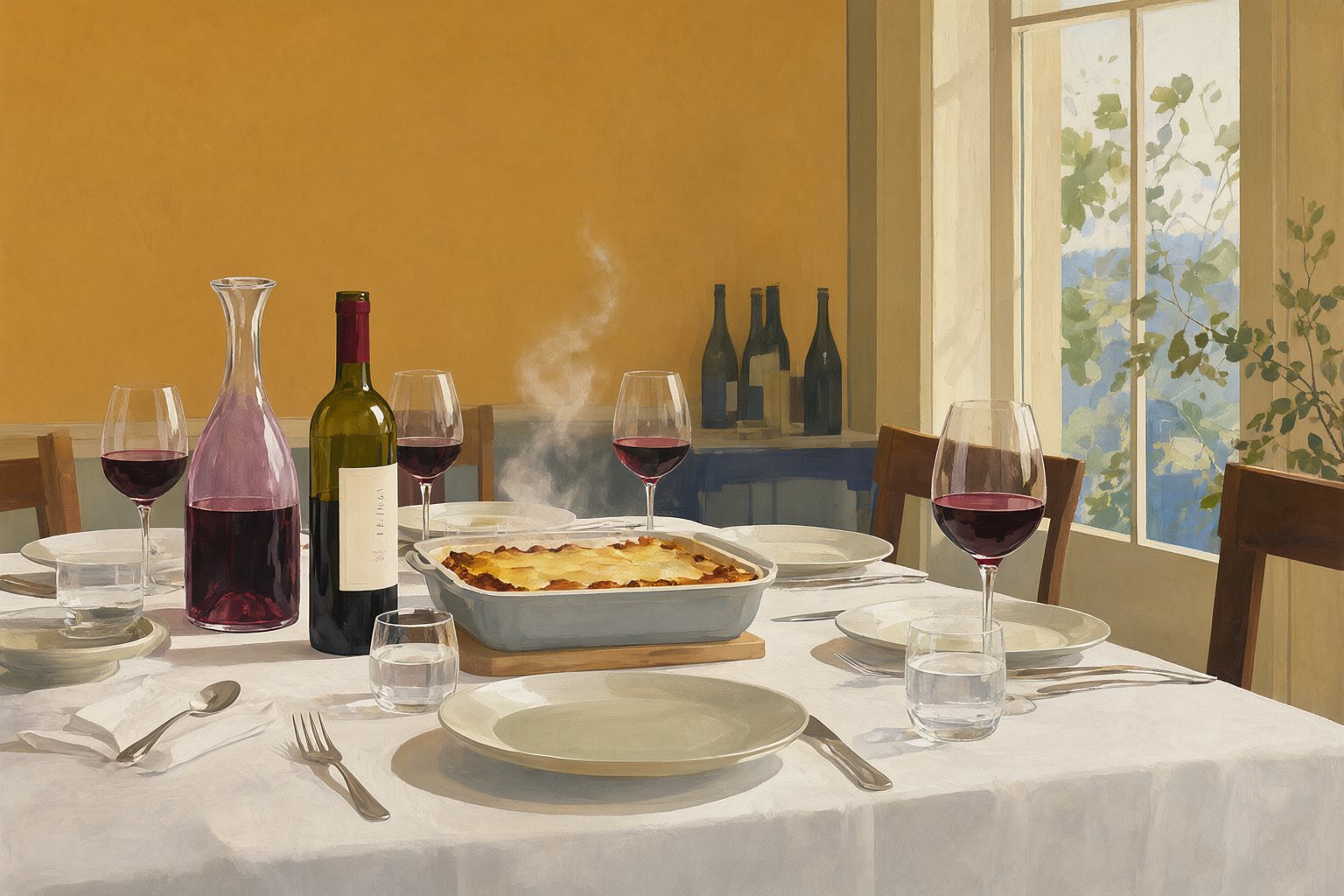
Sherry is too often drunk on its own, as an aperitif or digestif, and so loses its greatest gift: it is a food wine like few others. And Italian cooking offers it more opportunities than you might think.
Fino and Manzanilla, served cold, call for salt and fat. Think of a fritto misto di paranza, a mixed fry of small fish, marinated anchovies, Gaeta olives or thinly sliced culatello: the acidity and salinity cleanse the palate as no beer ever could. They also work with raw fish and, to many people’s surprise, with artichoke, the sworn enemy of almost every wine.
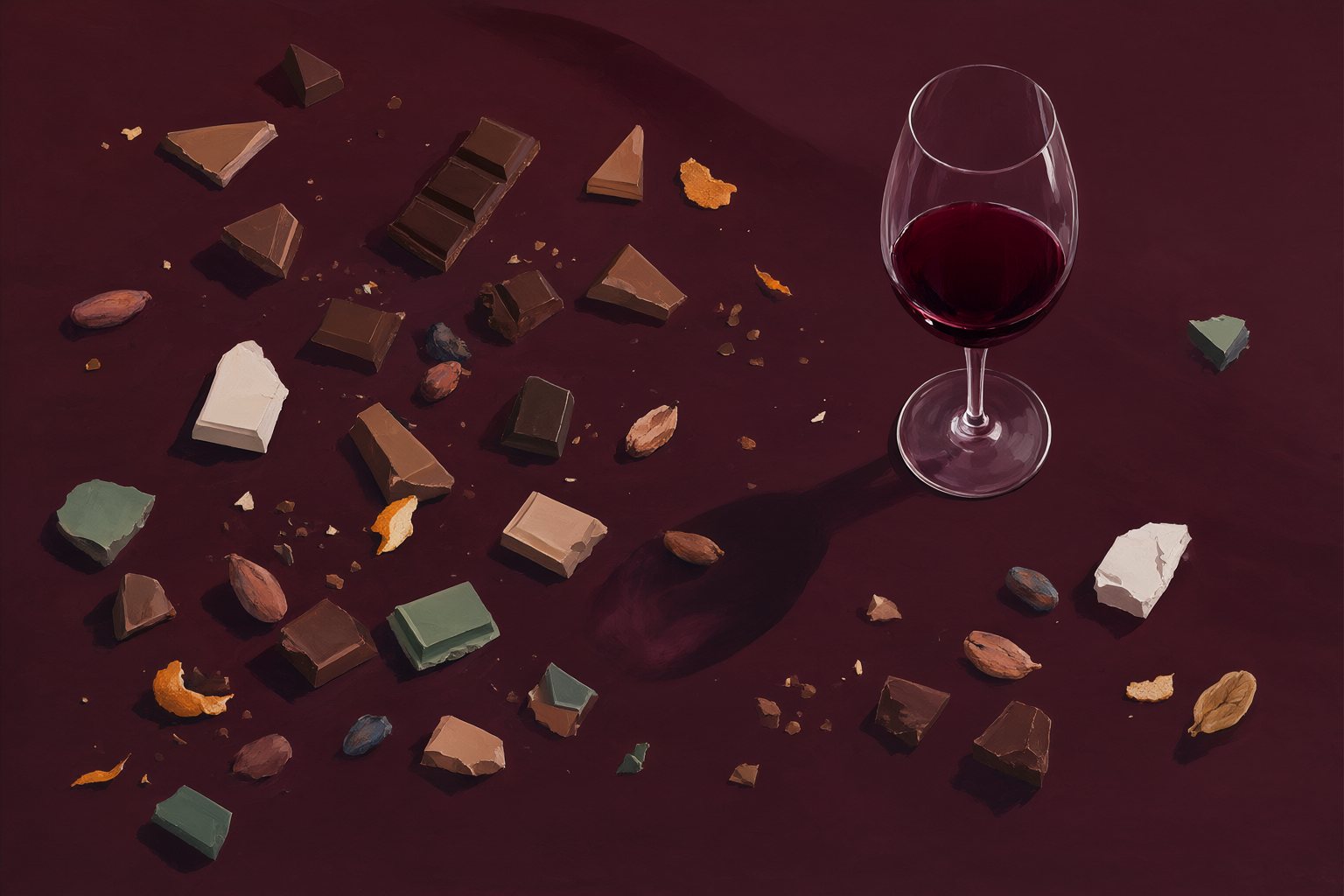
Amontillado is the ideal companion for a dish no other wine accompanies well: broth. Tortellini in brodo, cappelletti, a mushroom soup or a porcini risotto find a precise echo in its hazelnut flavour. Oloroso can handle the serious stuff: braises, beef cheeks, game, but above all a very long-aged Parmigiano Reggiano or a pecorino di fossa, where the oxidative notes overlap with those of the cheese.
Pedro Ximénez, finally, is a dessert in itself. Those who want to go all out can pour a thread of it over vanilla ice cream, a Spanish bar gesture that deserves to become a habit here too, or serve it alongside a slice of panforte or a piquant Gorgonzola. A practical warning: Fino and Manzanilla should be treated like a delicate white, so into the fridge and a few days at most after opening. The oxidative styles are far more patient.
What to open that week
If there is no event near you, Sherry Week can be celebrated perfectly well at home. The advice is to put together a small vertical of styles, not of vintages: a Manzanilla, an Amontillado and an Oloroso in the same afternoon, perhaps with a board of nibbles, to understand in an hour how the same Palomino can take opposite paths depending on how much oxygen it meets. If you still have room, finish with a Pedro Ximénez. A white-wine glass will do perfectly well, indeed better than the classic narrow copita.
And here is our opinion: Sherry is the great dry white wine the world has decided not to see. It ages in a system without equal and holds its own at the table better than many a famous name. One week a year to remember it is, if anything, too little.
Practical information
- Dates: from 2 to 8 November 2026
- Edition: thirteenth
- Where: Jerez de la Frontera and the Sherry region, plus events in more than 30 countries
- Taking part: events are registered free of charge on the official website and appear on a searchable map; the “Sherry Rutas” require more than ten venues in the same city
- Hashtag: #SherryWeek
- Official website: sherry.wine
❦