Hostaria 2026: tasting Verona on foot, from piazza Bra to piazza dei Signori
From 16 to 18 October Hostaria turns the centre of Verona into an open-air cellar: Soave, Custoza, Bardolino and Garda among squares and courtyards.
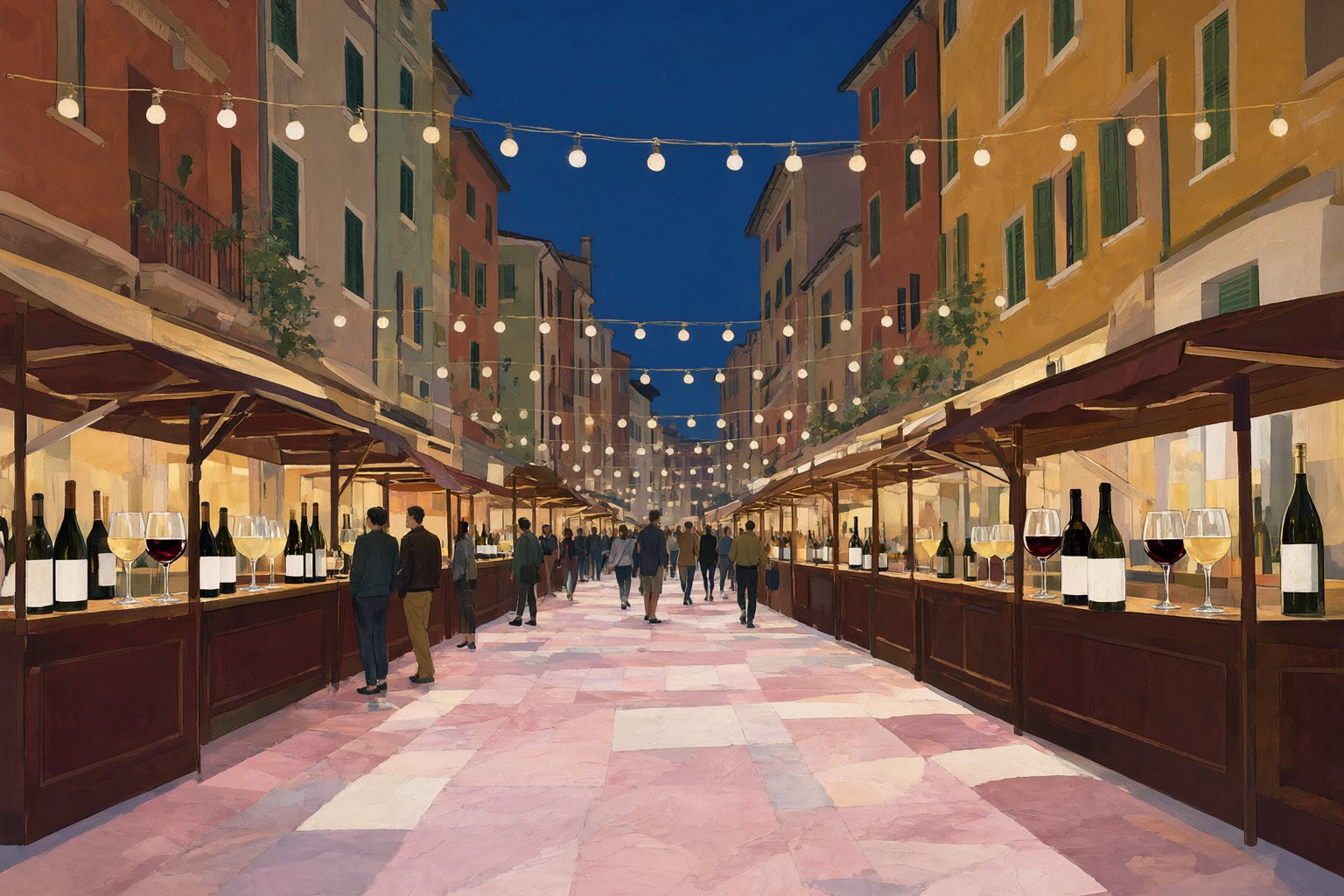
Verona has a reputation problem in reverse: everyone thinks they know it. The balcony, the Arena, the Amarone in the glass at the restaurant with a view. Then, for three days in mid-October, the city reminds those passing through that behind the postcards lies one of the most complex wine provinces in Italy, and it does so in the simplest way possible: by putting the wine in the street. From 16 to 18 October 2026 Hostaria returns, the festival that describes itself as the largest in Verona’s historic centre, and for one weekend the walk between piazza Bra and piazza dei Signori will become a kind of open-air cellar, with a glass in place of a map.
A festival born to let the territory speak
Hostaria is young, by the standards of a city that counts its stones in millennia. The first edition was held in October 2015, with an idea declared from the outset: to gather in the heart of the city the wineries of a province with numerous appellations, often better known individually than as a whole. Even then the route wound for a few kilometres through the streets of the centre, with tastings paid for in tokens and food stops along the way.
The 2026 edition is the twelfth. In the meantime the festival has widened its gaze beyond the provincial borders (in 2023, the ninth edition, via Roma was devoted to Tuscan reds) and has built an identity founded on conviviality rather than trade-fair tasting counters: music, street food and charitable initiatives that have accompanied the editions over the years. It is organised by the Hostaria cultural association, with the Gruppo Editoriale Athesis as partner and the patronage of the City and Province of Verona and the Veneto Region.
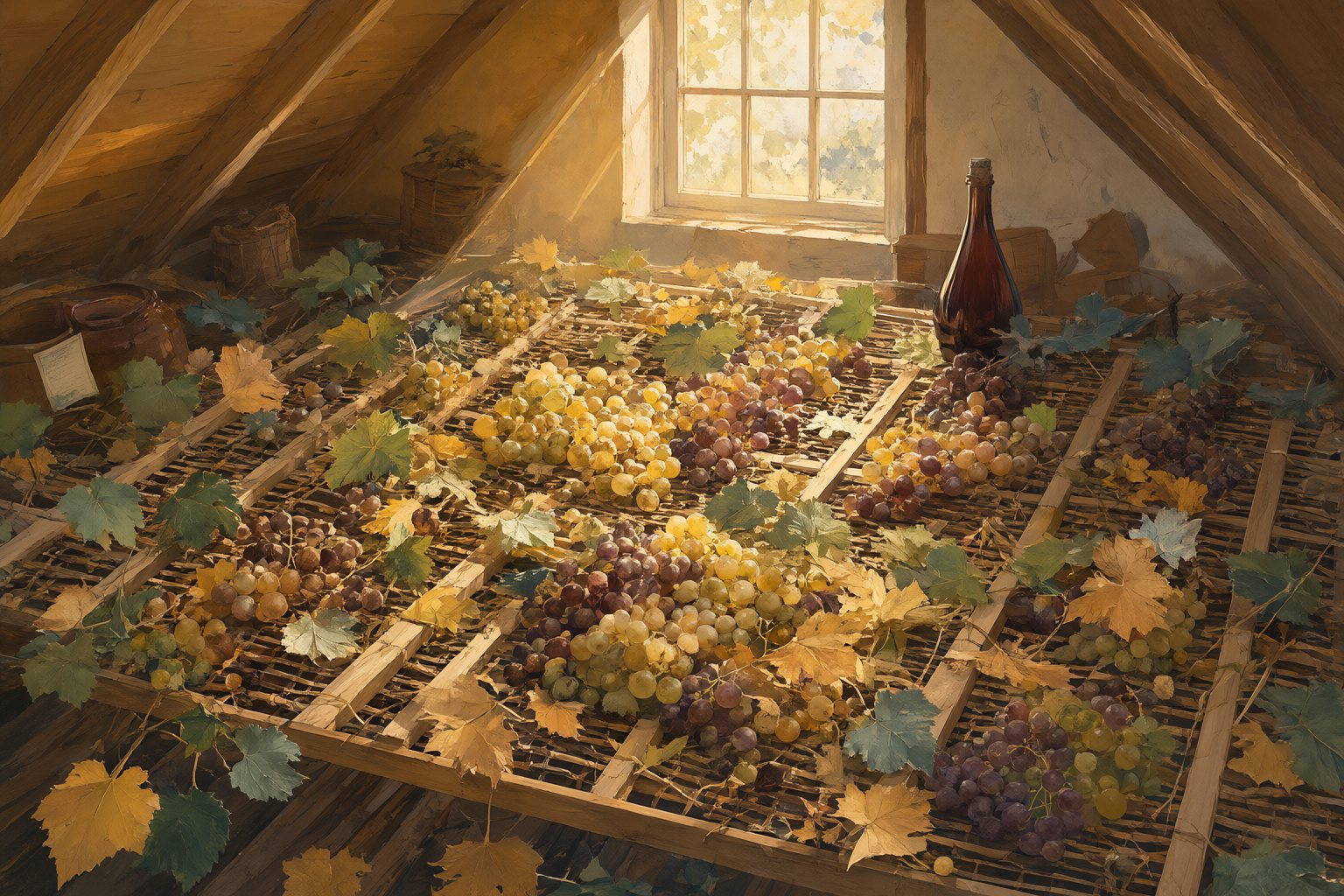
Then there is a coincidence of timing that is not coincidental at all. Mid-October, in this part of the Veneto, is when the harvest is over or nearly so, and in Valpolicella the grapes destined for Amarone and Recioto are already resting in the fruttai, the drying lofts. A festival in town, in those days, has the flavour of a collective farewell to the season.
The map: squares, courtyards and consortia
The 2026 route is organised into large areas, with entrances from piazza Bra and piazza dei Signori. The most interesting part for anyone wanting to understand Verona through its wine is the Loggia di Fra Giocondo, in piazza dei Signori, which brings together the home consortia: Soave, Lessini Durello, Custoza, Bardolino and Chiaretto. It is best read as a geography lesson. Soave, a white from Garganega grown on the volcanic hills east of the city. Durello, a mountain sparkling wine of cutting acidity, still little known outside the region. Custoza, a blended white from the morainic hills south of Lake Garda. And from the lake, Bardolino and Chiaretto, a light red and a pale rosé, two wines that in recent years have stopped apologising for their lightness.
The gardens of piazza Bra will host the regional consortia (recent editions also included Garda DOC, Arcole and the wines of Mantua) and a village devoted to Monte Veronese, the cheese of the Lessinia uplands, with guided tastings. The gardens of piazza Indipendenza, meanwhile, will house the “Foresteria”, with wines and specialities from other regions, from Emilia to Sicily. Via Roma, for lovers of the eccentric, will be given over to mead. And in the Loggia Vecchia, also in piazza dei Signori, the corner called El Canton de Hostaria will offer guided tastings with sommeliers.
And Valpolicella? It is the great absent presence. The list of areas published by the organisers includes no dedicated consortium space, and its reds reach the festival through the individual wineries taking part. The same goes for Lugana, which in past editions was represented by a few producers from the lake’s southern shore. Anyone coming specifically for a systematic comparison of Ripasso and Amarone would do well to scale back their expectations: Hostaria is more a fresco of the province than a vertical tasting.
Getting around without getting lost (or losing the thread)
The festival will open on Friday 16 at 18:00, on Saturday and Sunday from 11:00, and will close on Sunday at 20:00. In past editions the ticket included a glass and a certain number of tokens to spend at the stalls; for 2026 the arrangements should be checked on the official website, where tickets can also be bought in advance to avoid the queue. Along the route there will be stations for checking blood alcohol levels, and they are not there as decoration.
A few tips on method. Friday evening is the calmest time for anyone who wants to talk to the people pouring; Saturday afternoon is when the centre of Verona becomes a river of people. Starting with the whites at the Loggia di Fra Giocondo and moving on to the reds also makes physical sense, because piazza dei Signori is the most compact point of the route. Durello is the wine to take seriously: those who don’t know it will find a mountain metodo classico, bottle-fermented sparkling wine, that makes little noise and has a great deal of substance. And between one tasting and the next, the “sbecolerie”, the little tastes of Veronese cooking scattered around the centre, are not optional.
Finally, a note of respect for the city. The route passes through historic courtyards such as those of the Mercato Vecchio and the Tribunale: these are places for walking, not for camping out.
For those staying at home: what to open
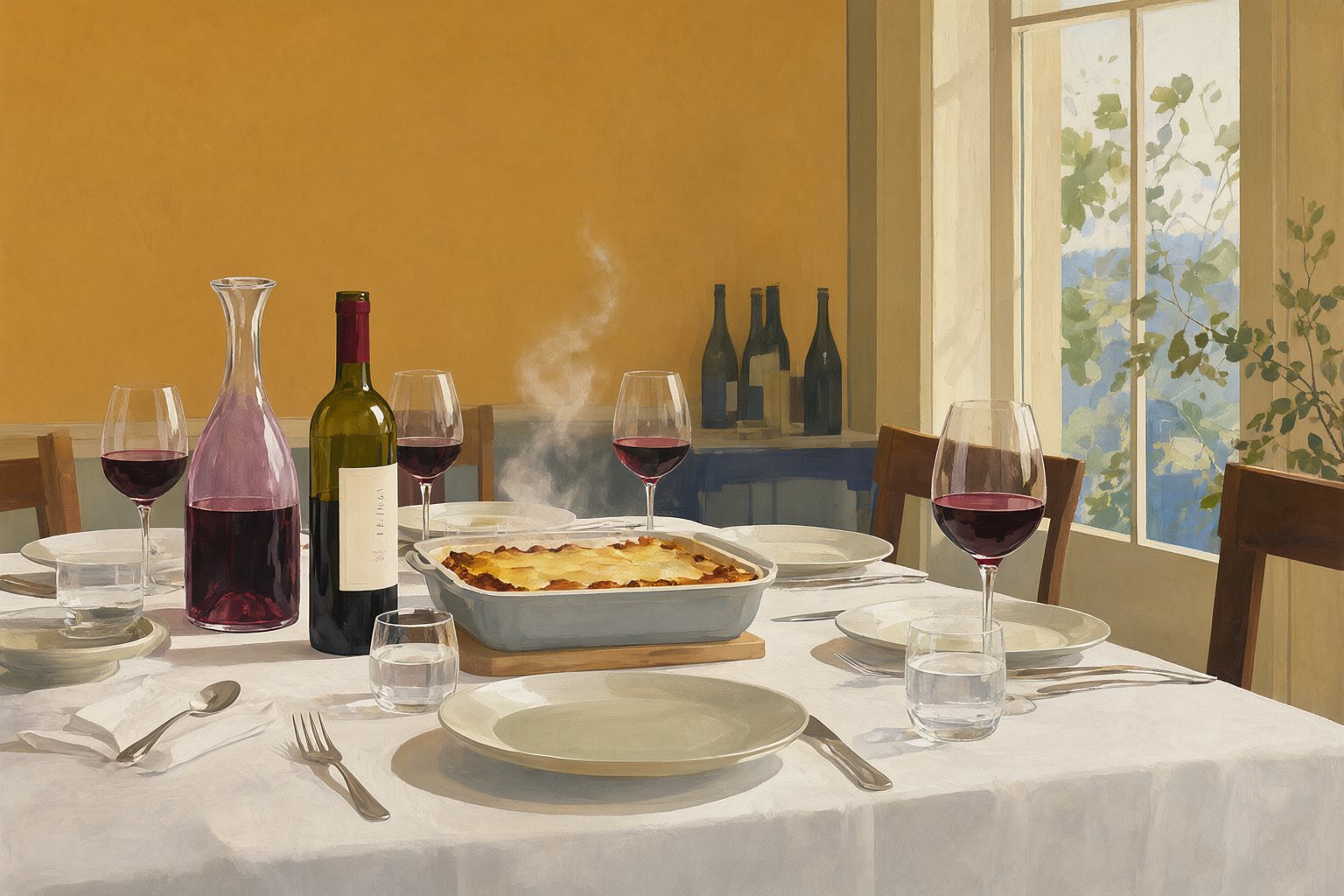
You don’t need to be in piazza Bra to celebrate the weekend. The most enjoyable game is to build a little Veronese itinerary on your own table, in the same order you would follow on foot. Begin with a Lessini Durello metodo classico as an aperitif, move on to a Soave Classico or a Custoza with a risotto, pair a plate of cured meats with a Chiaretto, and finish with a Valpolicella Ripasso, perhaps with a piece of aged Monte Veronese. These are wines that, in most cases, can be found on the shelf at reasonable prices, and together they tell the story of how varied the territory is between the lake and the Lessinia.
Our verdict
Hostaria works because it does not pretend to be Vinitaly: no corporate stands for negotiation, no buyers with badges. It is the moment when Verona stops selling its wine to the world and offers it instead to its own citizens, and to the tourists who happen to pass by. For precisely that reason, though, an area devoted entirely to Valpolicella would give it a completeness it currently lacks. A city that calls itself a capital of wine should not leave its most celebrated reds at the bottom of the guest list.
Practical information
- Dates: from Friday 16 to Sunday 18 October 2026
- Opening hours: Friday from 18:00; Saturday and Sunday from 11:00; closes Sunday at 20:00
- Venue: historic centre of Verona, with entrances from piazza Bra and piazza dei Signori; areas also in via Roma, Cortile Mercato Vecchio, Cortile del Tribunale and the gardens of piazza Indipendenza
- Edition: twelfth
- Tickets: available online; prices and tasting arrangements on the official website
- Official website: hostariaverona.com
❦