Tempranillo Day 2026: on 12 November, uncork Spain
Thursday 12 November is International Tempranillo Day: Rioja, Ribera del Duero, Toro and Portugal, what to open and what to serve alongside.
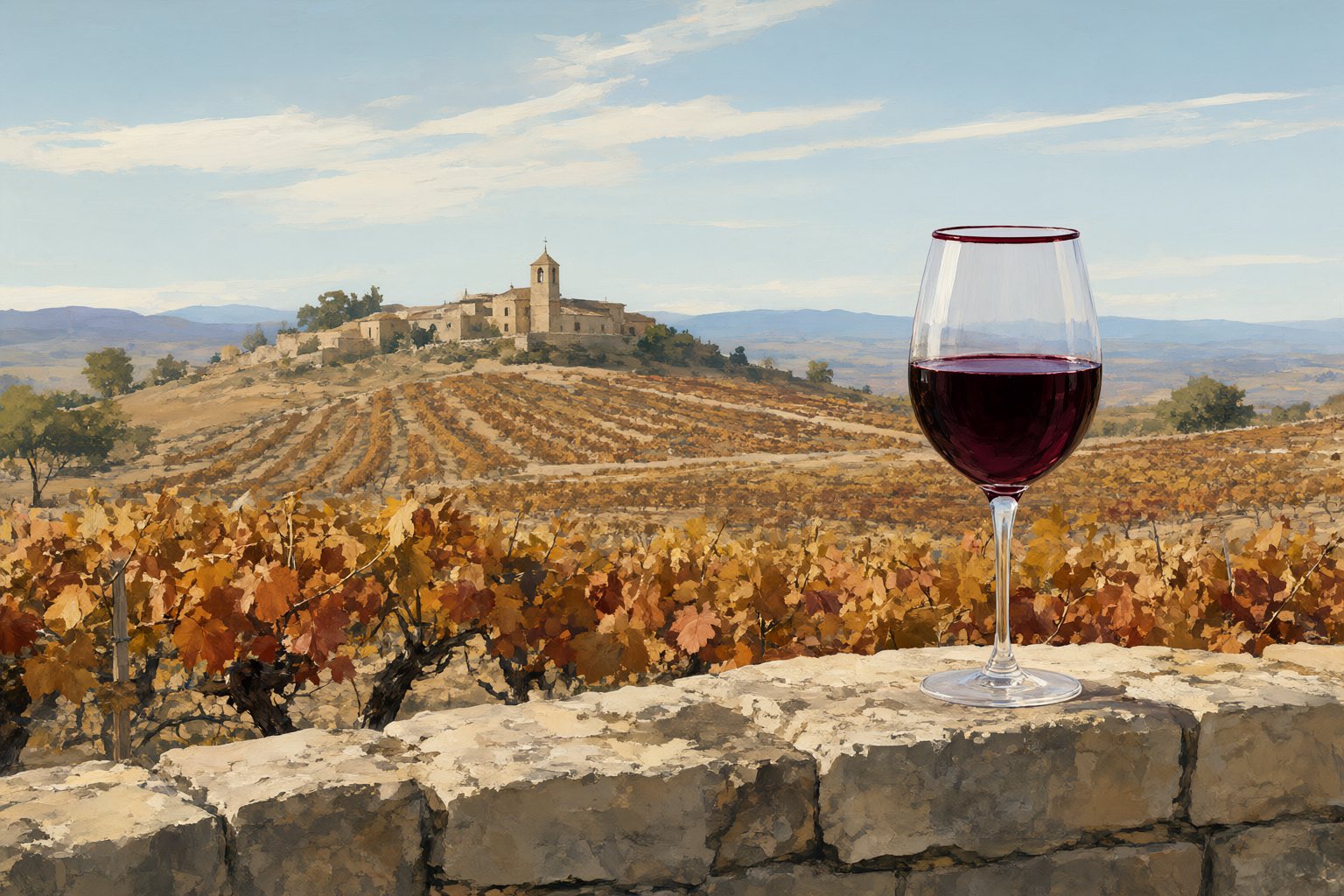
There is a grape found almost everywhere in Spain, which changes its name every hundred kilometres and which, depending on who handles it, can taste like strawberry jam or a lesson in patience. On Thursday 12 November 2026 it will have a whole day to itself: it is International Tempranillo Day, and for once the excuse to open a bottle of Rioja won’t even need looking for.
A celebration with a mouth-watering acronym
The occasion falls every year on the second Thursday of November, and the 2026 calendar of “grape days” published by WSET duly places it on the 12th. It was invented in 2011 by the members of TAPAS, which stands for Tempranillo Advocates Producers and Amigos Society: an association born in the United States to promote the grape outside Spain, with a name that by itself explains the spirit of the thing. No fair, no physical venue: Tempranillo Day will live in wine shops, wine bars and wineries that open a few extra bottles and, above all, on social media under the hashtags #TempranilloDay and #InternationalTempranilloDay.
It may seem like yet another world day of something, and in part it is. But Tempranillo deserves it more than most, because it is a variety the general public knows mainly by hearsay: everyone has drunk a Rioja, few know what was in it.
An early grape with many passports
The name comes from temprano, “early”: it ripens a few weeks ahead of many other Spanish red grapes, no small advantage on the high plateaux where autumn arrives in a hurry. In recent years it has overtaken Airén as the country’s most planted variety, and its spread brings with it a collection of nicknames. In Ribera del Duero it becomes Tinto Fino or Tinta del País, in Toro Tinta de Toro, in La Mancha Cencibel, in Catalonia Ull de Llebre. Across the border, in Portugal, it is called Tinta Roriz in the Douro and Aragonez in the Alentejo.
On its own it has moderate acidity, tannins that are present but not aggressive and a red fruit (strawberry, cherry) that in youth is almost brazen. It is, however, a grape that loves oak and time: with cask and bottle it veers towards vanilla, tobacco, liquorice, leather. That is why, rather than a wine, it makes more sense to speak of a family.
Rioja: the clock comes first
Rioja, a Denominación de Origen Calificada since 1991, has built its identity on a simple and somewhat stubborn idea: time is an ingredient. The terms on the label tell you how long the wine waited before release, and for reds the minimum thresholds are these:
- Crianza: at least two years’ total ageing, of which at least one in 225-litre oak barrels.
- Reserva: at least three years, with at least one in barrel and at least six months in bottle.
- Gran Reserva: at least five years, of which at least two in barrel and at least two in bottle.
Alongside these come wines with no ageing designation (the “genérico” category, often fresher and fruitier) and, since 2017, more geographical indications: zone wines (Rioja Alta, Rioja Alavesa, Rioja Oriental), village wines and Viñedo Singular. It is the sign of an appellation slowly shifting the conversation from “how long has it been aged” to “where does it come from”, without disowning the former.
Anyone wanting to understand Tempranillo in a single evening should start here: a Crianza and a Gran Reserva side by side are worth more than any textbook.
Ribera del Duero and Toro: the plateau and the sun
Travelling up the Duero you enter another Spain. Ribera del Duero, an appellation since 1982, has vineyards that sit on average at around 850 metres: hot days and cold nights, temperature swings that give Tinto Fino dark colour, structure and a certain austerity. Here Tempranillo is less vanilla-laden than classic Rioja and more all of a piece; Ribera also has the Crianza, Reserva and Gran Reserva designations.
Further west still, towards Zamora, lies Toro, an appellation since 1987, between 600 and 750 metres. Tinta de Toro is a thick-skinned, robust version, grown on sandy soils where many old vines survived phylloxera on their own roots. The rules set a ceiling of 15% alcohol for dry reds, and that alone says a great deal: these are powerful wines, to be handled with a modicum of respect (and of serving temperature, better around 16-17 degrees than the “room temperature” of a heated living room).
Portugal: the same grape, another voice
In the Douro, Tinta Roriz is one of the key grapes of Port and of the valley’s dry reds, almost always blended with Touriga Nacional, Touriga Franca and company. In the Alentejo, Aragonez instead gives full, sunny reds, sometimes as a single variety. Opening a red Douro on 12 November is a clever way to celebrate: you hear the Tempranillo, but in a different choir, and you grasp how much more context matters than the varietal label.
What to open on Thursday, and with what
Tempranillo Day will fall in the depths of autumn, and Tempranillo is an autumn wine. A few ideas for those celebrating at home:
- Young or genérico Rioja: serve slightly chilled with cured meats, tapas, a tortilla, or with that most Italian of boards, the tagliere. It also goes well with a sausage pizza.
- Rioja Crianza or Reserva: the local classic is chargrilled lamb chops, but here it works beautifully with roast pork, sautéed mushrooms or a porcini risotto.
- Gran Reserva: wants dishes that won’t smother it. Light game, a pigeon, aged sheep’s cheeses such as Manchego. Decant gently, more for the sediment than for the oxygen.
- Ribera del Duero: lechazo, roast milk-fed lamb, is the canonical match; alternatively a braise or a sliced steak with rosemary.
- Toro: demands fat and savouriness. Shank, stews, long-aged hard cheeses.
- Douro or Alentejo: perfect with baked salt cod and potatoes (yes, with a red) or with pork and clams à alentejana.
The best game of all, though, is a direct comparison: three bottles, three regions, the same grape. If on the evening of the 12th you manage to tell Rioja from Ribera blind, you will already have understood more than any hashtag can teach.
Practical information
- When: Thursday 12 November 2026 (every year on the second Thursday of November).
- Where: everywhere; it is not an event with a physical venue but a day celebrated by wineries, wine shops and enthusiasts.
- Who promotes it: TAPAS, the Tempranillo Advocates Producers and Amigos Society, which established it in 2011.
- References: the WSET grape days calendar, wsetglobal.com; for the Rioja appellation rules, riojawine.com.
- Hashtags: #TempranilloDay, #InternationalTempranilloDay.
All things considered, Tempranillo doesn’t need a world day. But those who drink it without asking what they are drinking do: and an excuse to stop ordering “a Rioja” the way you order “a red” is well worth a Thursday in November.
❦