How to visit a winery without embarrassing yourself
Booking ahead, how long it takes, whether tastings are charged, to spit or not, whether to buy: the written and unwritten rules of a winery visit.
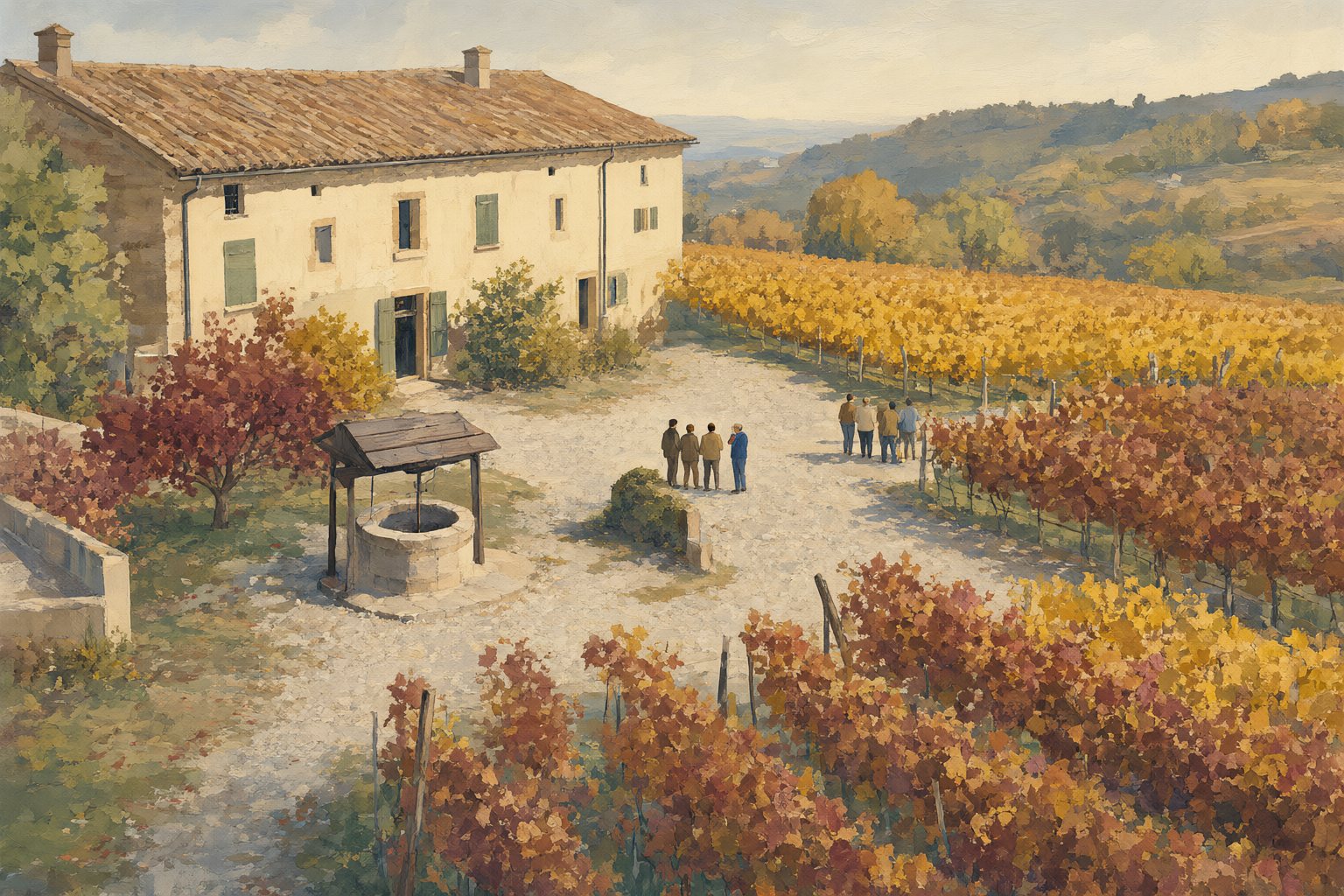
The worst way to visit a winery is to turn up on a Saturday in October, unannounced, with six friends and a dog, convinced that an open gate is an invitation. The gate is open because it is harvest, and the people who should be welcoming you have their hands in the must. It happens more often than you would think, and it almost always ends with a strained smile on one side and a glance at the phone on the other.
Always book
This is not drawing-room etiquette: it is the rule. The ministerial decree of 12 March 2019, which set out guidelines for wine tourism (enoturismo) after the 2017 budget law, asks wineries that want to fall within the scheme to have a way of booking visits, preferably online, and to open at least three days a week, even if only seasonally. Translation: a well-run winery has opening hours and a way of writing to it. Use it.
Booking helps you, too. You can ask what the visit includes, what language it is in, whether you will walk the vineyard or stay among the barrels, whether there are stairs, whether children are welcome. And you can say one very simple thing that changes everything: “We’re curious, but we’re not experts.” A host will take an honest guest over a pretender a thousand times.
How long it lasts, and what to expect
There is no legal duration, and you should be wary of anyone who promises the same one for everybody. As a rough order of magnitude, and only as a guide, allow an hour or a little more for the tour and tasting, longer if there is a vineyard walk or lunch; ask when you book. The visit usually follows the path of the grape: vineyard, fermentation room, ageing cellar, table.
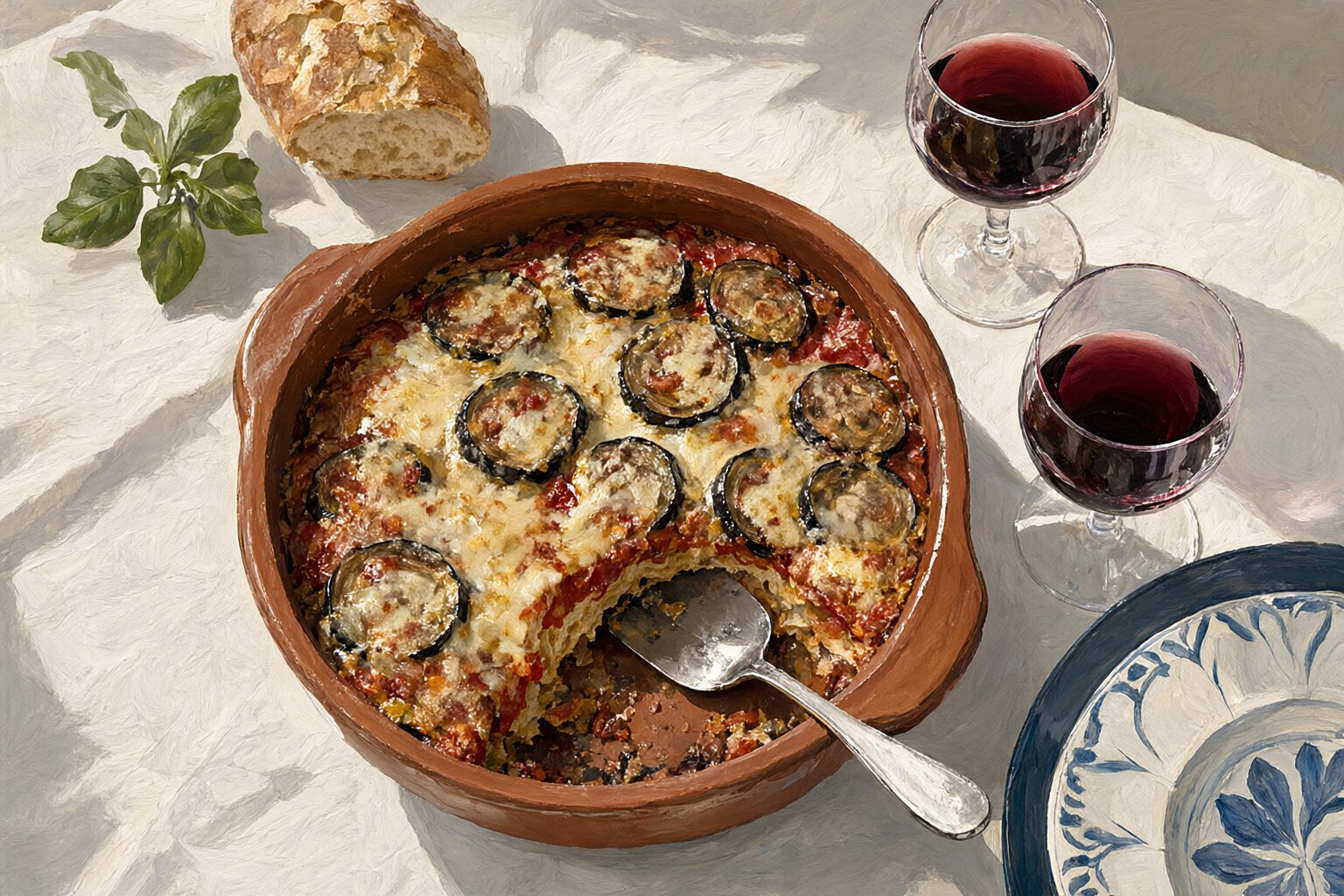
The table, under the decree, comes with a few curious rules. The tasting is done in glass stemware, and if anything is served to eat it must be cold products prepared by the estate itself. The text specifies that a tasting must not turn into catering. If you want lasagne, you are in a different category of venue.
Do you pay?
It depends, and the law does not say. The legal framework defines what wine tourism is (visits, educational initiatives, tasting and sale of the estate’s own products, also with food) and treats it as a connected agricultural activity, with the tax regime of farm stays (agriturismo). But each estate sets its own price. Many ask for a contribution that covers the visit and a set number of pours; others deduct it from any purchase; some charge nothing. There is nothing rude about asking in advance, quite the opposite: it is the question that spares you the awkwardness at the till.
Paying to taste, after all, is no insult. It means someone is giving you their time, opening real bottles and telling you about a place. That time has a cost, and a ticket is usually the most honest way of acknowledging it.
Spitting is not bad manners
The moment that frightens beginners most is also the simplest. At a serious tasting you spit, and nobody notices: it is the working tool of anyone who has to taste many wines without losing their clarity. There is usually a bucket, a dedicated basin or a sink in the cellar. Ask where, and aim with confidence, because hesitation is the only truly clumsy thing.
If you would rather drink, do so with judgement, and think about the journey home: whoever drives does not drink, or always spits. A hillside winery is almost always far from public transport and close to a bend. If you are a group, appoint the driver before setting off, not at the third pour. Many estates will gladly give you the number of a local taxi or shuttle service.
To buy or not to buy?
There is no obligation, and anyone who hints otherwise is wrong. Buying does make sense beyond courtesy, though: at the winery you find labels that do not travel, earlier vintages, sometimes bottles in tiny quantities. If something truly won you over, take it home; if not, say thank you and leave without justifications. A gracious “not today” is always better than a case of bottles bought out of guilt and forgotten in the garage.
One practical tip for afterwards: bottles travel cool, never in a boot baking in the sun. And if you came by plane, ask about shipping, which many wineries arrange themselves.
Who guides you, in the wider sense
There is another guide, and it is the one that really matters: the person showing you around. Ask them, not the internet. Ask why that vineyard is where it is, what happened in the last vintage, what they would do if the weather turned. Simple questions work better than showy ones: no winemaker is offended by a “why?”, but many are offended by an opinion on oak recited from memory.
My conviction is that the perfect visit is the one you leave knowing one more thing about a place, not one more thing about yourself. You go to a winery to look, to listen, and only afterwards to judge. Whoever remembers that makes no blunders: at most, they tell a few, laughing, with a glass in hand.
❦