Why is it called Est Est Est? The bishop’s wine of Montefiascone
The legend of the servant Martino and Bishop Defuk, the tomb in San Flaviano, and what is really in the glass of the Est! Est!! Est!!! di Montefiascone DOC.
Some wines are remembered for their taste and some for their name. Est! Est!! Est!!! di Montefiascone belongs, with little argument, to the second category: three Latin words, punctuation that swells like enthusiasm in a tavern, and a story almost everyone knows only half of. Anyone who sees it on a wine list for the first time asks the same question: why is it called that? The answer is a legend. A lovely, old one, to be told for what it is.
The legend of the servant Martino
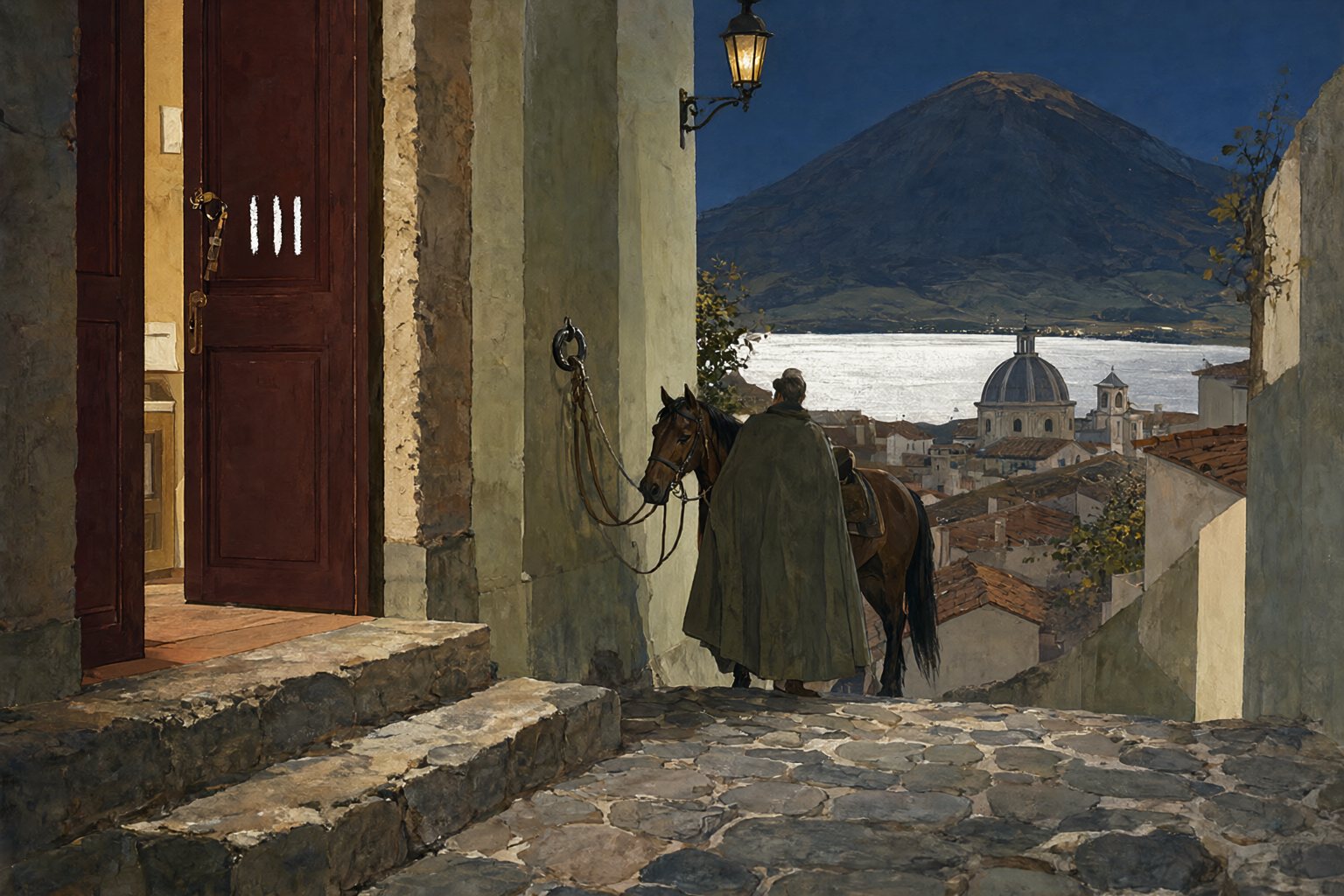
The version handed down goes like this. In 1111 Emperor Henry V travels south to Rome to be crowned, and in his retinue is a German prelate, Bishop Johannes Defuk (the name also appears in other spellings), who loves wine more than his office would advise. So as not to waste time at the stops, the bishop sends his cupbearer, Martino, ahead with a precise task: to taste the wines of the inns along the road and write “Est”, meaning “it is” or “there is”, on the door wherever the wine is good.
When he reaches Montefiascone, on the heights above Lake Bolsena, Martino finds a wine so good that one word is not enough. He writes “Est! Est!! Est!!!”, three times, with the exclamation marks growing. When the bishop arrives he agrees, and according to the legend he stays in Montefiascone: he never leaves, drinks until the end of his days and is buried in the church of San Flaviano.
The tomb in San Flaviano
This is where the legend touches the ground. In the church of San Flaviano in Montefiascone there really is a peperino tombstone linked to the name of Defuk, with an inscription that translates roughly as: because of too much Est, here lies dead my lord Johannes Defuk. Tradition adds a bequest to the town, on condition that every year, on the anniversary of his death, a barrel of wine be poured over the tomb. It is the kind of detail that makes people smile, and that the sources report as part of the tale, not as documented fact.
It must be said clearly: there is no historical proof that the journey, the tasting and the writing on the door happened this way. The story has circulated in written form at least since the seventeenth century and, like many wine legends, it has served above all to give a face, and an unforgettable name, to a local wine. But the tomb is there, so is the church, and in Montefiascone people tell the story with a certain pride. And rightly so: few denominations have a label that is already a story.
What is in the glass
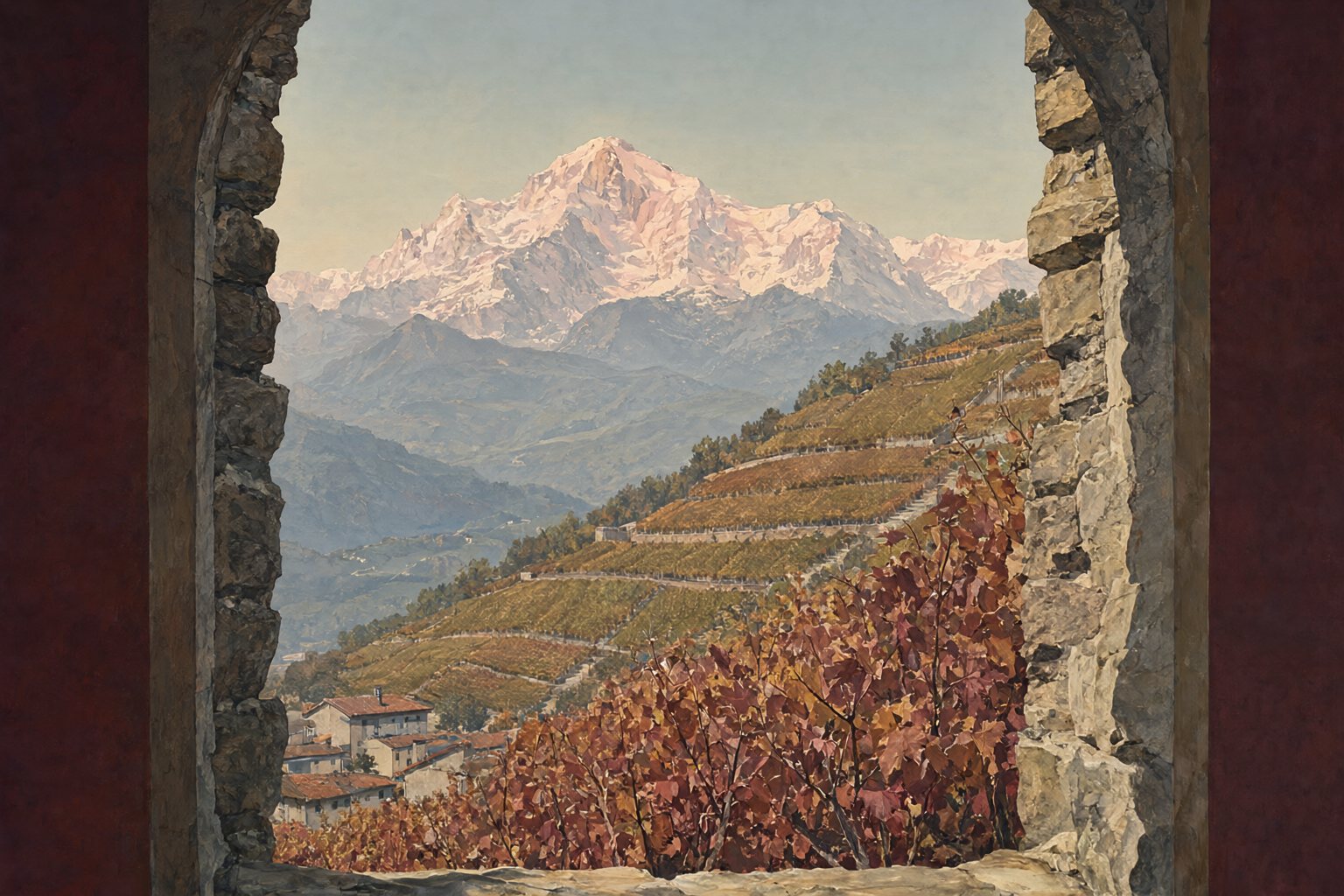
Behind the name lies one of Italy’s oldest DOCs, recognised by decree in 1966, in the first group of denominations created after the 1963 law. It is a white wine from the Tuscia area around Viterbo, in northern Lazio, and it grows on the volcanic soils of the Volsini mountains, around Lake Bolsena, which fills a caldera.
The grapes are the historic ones of northern Lazio and neighbouring Umbria: Trebbiano Toscano, known here as Procanico, Trebbiano Giallo, called Rossetto, and two Malvasias, Malvasia Bianca Lunga and Malvasia del Lazio. They generally make light, savoury whites with white fruit and almond, and that almost salty edge that volcanic soils seem to give to many wines of central Italy. The denomination also provides for the Classico mention for the historic zone, still wines from dry to sweet, and a sparkling wine.
For those looking for relatives, the closest reference is Orvieto, a little further north, with which it shares Procanico and the volcanic origin of its soils.
A name that weighs
There is a flip side. Such a memorable name is a blessing for tourism and a curse for reputation. For many people Est! Est!! Est!!! remains above all a curious name, ordered for the story more than for the wine, and from a white like that one ends up asking little. It is a fate that many whites of central Italy know well.
And yet the raw material to do more is there: old grape varieties, volcanic soils, a lake that tempers the climate. The problem, if anything, is that whoever tastes a well-made Est! Est!! Est!!! rarely expects it, and whoever expects it rarely seeks it out.
How to drink it
A young, dry Est! Est!! Est!!! should be served cool, at around 9–10 degrees, and finds its most natural companions in the cooking of the lake and of the Tuscia: Bolsena whitefish and pike, fettuccine with mushrooms, pulse soups, herb frittatas. The versions with a little sweetness, less common, go very well with fresh cheeses and dry biscuits.
Our view is that the legend is both its best calling card and its worst enemy. It made a small white from Lazio famous around the world, but it got everyone used to asking it only to be charming. Next time you see it on a list, try ordering it as if you knew nothing about Martino and the bishop. If the wine convinces you, the story becomes a gift. If it does not, you will at least have confirmed that a good name, on its own, is not enough to fill a glass.
❦